 NJ
NJ  DET
DET  FLA
FLA  CBJ
CBJ  BUF
BUF  MTL
MTL  WSH
WSH  CAR
CAR  SEA
SEA  PHI
PHI  TB
TB  NYR
NYR  STL
STL  OTT
OTT  VAN
VAN  NYI
NYI  PIT
PIT  CHI
CHI  MIN
MIN  WPG
WPG  COL
COL  DAL
DAL  VGK
VGK  NSH
NSH  TOR
TOR  UTA
UTA  CGY
CGY  ANA
ANA  EDM
EDM  LA
LA  BOS
BOS  SJ
SJ  CLE
CLE  ORL
ORL  NYK
NYK  TOR
TOR  IND
IND  OKC
OKC  GSW
GSW  LAL
LAL  POR
POR  SAC
SAC  BKN
BKN  MIA
MIA  CHA
CHA  BOS
BOS  PHX
PHX  SAS
SAS  NOP
NOP  DAL
DAL  CHI
CHI  MIL
MIL  DET
DET  MIN
MIN  DEN
DEN  LAC
LAC 

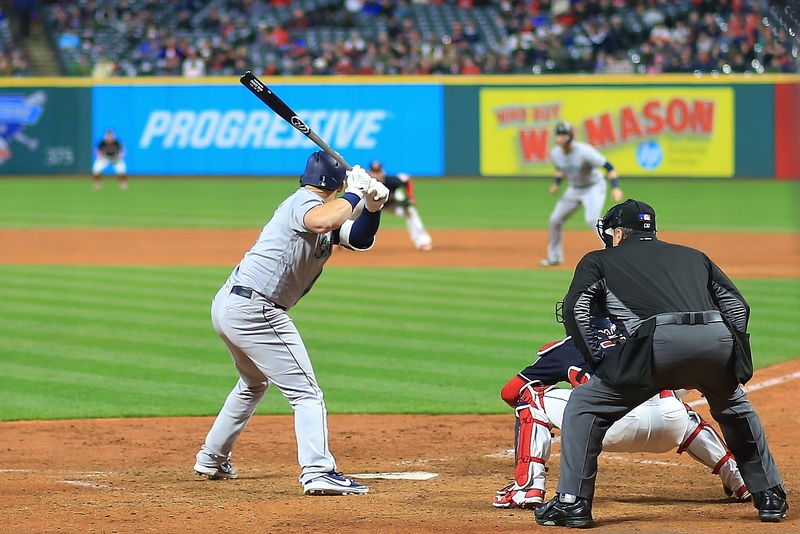
The fantasy baseball season kicks off earlier each year, and savvy players have already been drafting since the World Series concluded in October. Off-season movements, including trades, free agent signings, and injuries, have continually reshaped the player pool, leading to evolving average draft positions (ADP). As March approaches, many fantasy managers are finalizing their draft strategies for the upcoming season.
In preparation for these crucial drafts, the Rotoworld baseball team convened for a 12-team mock draft, employing a standard snake draft format. Participants included notable figures from the industry, each eager to secure their ideal roster. The mock utilized a traditional 5×5 scoring system, with categories including batting average, runs, home runs, RBIs, stolen bases for hitters, and wins, earned run average, WHIP, saves, and strikeouts for pitchers.
The draft order featured a mix of seasoned analysts and newcomers, with Jorge Montanez from Rotoworld leading the charge. As the selections unfolded, it became clear that players were keen to build competitive teams with a strong foundation.
Round-by-Round Breakdown
In the first round, the top picks reflected the consensus among fantasy managers. Aaron Judge, the Yankees’ power hitter, was selected first overall, followed closely by Shohei Ohtani of the Dodgers. Other notable selections included Bobby Witt Jr., Jose Ramírez, and Ronald Acuña Jr., each representing strong five-category contributors. As the round progressed, Paul Skenes emerged as the first pitcher off the board, showcasing the high value placed on elite starting pitching this year.
Round two saw Kyle Tucker and Cal Raleigh take center stage, as managers began to solidify their rosters with key offensive players. The trend of drafting top-tier first basemen continued, with Vladimir Guerrero Jr., Nick Kurtz, and Pete Alonso being selected in rapid succession. Notably, Yoshinobu Yamamoto was a surprising pick at number 21, highlighting differing strategies among participants.
The third round introduced some deviations from ADP, with Jazz Chisholm Jr. being a standout selection. Trea Turner and Zach Neto followed, both representing promising shortstop options. Yordan Alvarez was picked slightly earlier than expected, raising questions about his health and performance potential moving forward.
Mid-Draft Strategies
As the draft progressed into the fourth and fifth rounds, managers began to take calculated risks. The selection of Brice Turang at pick 41 sparked conversations about positional depth and value. Meanwhile, the choice of Edwin Diaz as a top-tier closer illustrated the importance of securing reliable bullpen options early in the draft.
In the fifth round, power hitters like Matt Olson, Rafael Devers, and Austin Riley began to populate rosters, as the pool of five-category hitters started to thin. The dynamic talents of Maikel Garcia and Roman Anthony were also highlighted as potential breakout candidates this season.
Team Assessments
After reviewing the first 60 picks, it was time to analyze each team’s strategy. Jorge Montanez’s squad stood out for its offensive potential, projected to be among the league’s best. However, questions lingered about the pitching staff’s depth, particularly with Jesus Luzardo and Joe Ryan leading the rotation. The success of his team may hinge on the development of young pitchers like Nick Lodolo and Emmet Sheehan.
As the mock draft concluded, it was evident that each manager had their unique approach to building a championship-caliber roster. The insights gleaned from this draft will undoubtedly assist fantasy managers in their upcoming leagues, providing a roadmap for success in the 2023 season.
Note: This recap is an independently written summary based on publicly available reporting.