 LAD
LAD  ATL
ATL  MIL
MIL  SD
SD 
 CAR
CAR  MTL
MTL  NSH
NSH  TOR
TOR  OTT
OTT  DET
DET  UTA
UTA  NJ
NJ  MIN
MIN  BUF
BUF  NYI
NYI  NYR
NYR  STL
STL  CHI
CHI  VGK
VGK  SEA
SEA  FLA
FLA  LA
LA  BKN
BKN  CHA
CHA  NOP
NOP  OKC
OKC  DEN
DEN  UTA
UTA  LAL
LAL  GSW
GSW  CLE
CLE  CHW
CHW  TB
TB  NYY
NYY  PIT
PIT  WSH
WSH  COL
COL  WPG
WPG  EDM
EDM  ANA
ANA  MIN
MIN  IND
IND  ORL
ORL  MEM
MEM  MIL
MIL  PHX
PHX  CHI
CHI  POR
POR 

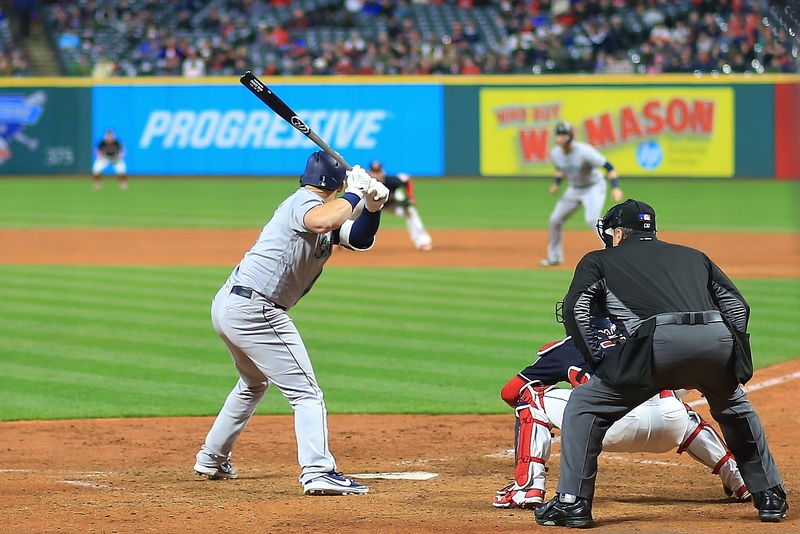
The 2026 MLB Draft is set to commence this Saturday at 1:00 PM ET, coinciding with several MLB games, including the Toronto Blue Jays’ matchup in San Diego later that evening. While the draft unfolds, fans can tune in to the first ten picks, which will air on NBC and Peacock, a process that will stretch an inexplicable 90 minutes. Following the initial picks, coverage will shift to MLB.com, MLB TV, and MLB+, while cable subscribers can catch picks 11-40 on the MLB Network.
Day one of the draft will encompass the first four rounds, with day two following on Sunday to cover rounds five through twenty. This year’s format is a welcome change, consolidating the event into two days rather than the previous three. Day two will also be available for streaming on MLB.com and its associated apps.
The Blue Jays are bracing for a relatively quiet first day. Their first selection, which would typically be the 29th overall as the World Series runners-up, has been pushed back ten spots to 39th due to their aggressive spending last season that exceeded the second luxury tax threshold. This decision has also cost them their second-round pick, forfeited after signing Dylan Cease, who has emerged as a strong contender for the Cy Young award this season.
After their 39th pick, the Blue Jays will select again at 103rd in the third round and 131st in the fourth. On day two, their selections will continue with the 164th pick in the fifth round and the 29th in each subsequent round. With a bonus pool of $5,543,100, the Jays find themselves with one of the smallest pools in the league, trailing only the Dodgers, who also face penalties from previous Qualifying Offers.
Nearly half of the Blue Jays’ bonus pool, specifically $2.57 million, is tied to the 39th pick. Teams that exceed their bonus pool by up to 5% face a 50% surcharge, while exceeding it by more than that incurs a 75% surcharge and a loss of a future first-round pick. Historically, no team has ever opted to pay that penalty, and it’s unlikely the Jays will break that trend. Consequently, the maximum they can spend without penalties is $5,820,254, which must cover all their picks in the first ten rounds along with any bonuses exceeding $150,000 in rounds eleven to twenty.
The Blue Jays’ limited resources put them in a challenging position as they approach the draft. Generally, teams have three strategies to consider: offering an over-slot bonus for a top prospect, playing it straight with expected allocations for later rounds, or negotiating for under-slot deals to maximize their total talent pool. While the Jays have successfully pursued over-slot deals in the past, the current situation, with limited draft capital, suggests they may lean towards a more conservative approach.
In recent years, the Blue Jays have combined various strategies, selecting players from different demographics and signing them at varying prices relative to their slots. This pattern is expected to continue in 2026, as the team will likely let the board at 39 dictate their draft strategy, balancing between cutting costs and potentially going above slot for the right talent.
As for potential picks, the uncertainty of selecting outside the first round makes it difficult to profile specific players. However, tomorrow’s coverage will delve into the various demographics and highlight a few names that could be available for the Blue Jays at their first selection.
Note: This recap is an independently written summary based on publicly available reporting.