 PHI
PHI  NYM
NYM  KC
KC  PIT
PIT  CHC
CHC  CIN
CIN  OAK
OAK  CLE
CLE  BOS
BOS  TB
TB  DET
DET  CHW
CHW  ATL
ATL  HOU
HOU  WSH
WSH  STL
STL  TOR
TOR  TEX
TEX  SEA
SEA  COL
COL  MIN
MIN  LAA
LAA  NYY
NYY  ARI
ARI  SF
SF  LAD
LAD  MIA
MIA  SD
SD  MIL
MIL  BAL
BAL 
 NYI
NYI  NJ
NJ  SJ
SJ  ANA
ANA  WSH
WSH  BOS
BOS  NSH
NSH  TB
TB  UTA
UTA  COL
COL  CAR
CAR  FLA
FLA  SEA
SEA  CGY
CGY  CAR
CAR  ATL
ATL  MIN
MIN  CHI
CHI  PHI
PHI  TEN
TEN  PIT
PIT  NE
NE  GB
GB  NYJ
NYJ  CLE
CLE  TB
TB  NO
NO  BAL
BAL  CIN
CIN  HOU
HOU  JAX
JAX  DEN
DEN  LV
LV  LAC
LAC  WAS
WAS  DAL
DAL  SEA
SEA  ARI
ARI  MIA
MIA  SF
SF  IND
IND  KC
KC  PHI
PHI  DET
DET  CBJ
CBJ  BUF
BUF  PIT
PIT  NYR
NYR  OTT
OTT  MTL
MTL  WPG
WPG  MIN
MIN  CHI
CHI  STL
STL  DAL
DAL  NYG
NYG  LA
LA 

The 2026 NHL Trade Deadline has come to a close, marking a pivotal moment for teams across the league. As prices fluctuated, some players rumored to be on the move ultimately remained with their current squads. What began as a potential “buyer’s market” quickly transformed into a “seller’s market,” reshaping the NHL landscape as teams gear up for the final stretch of the regular season and the imminent playoffs.
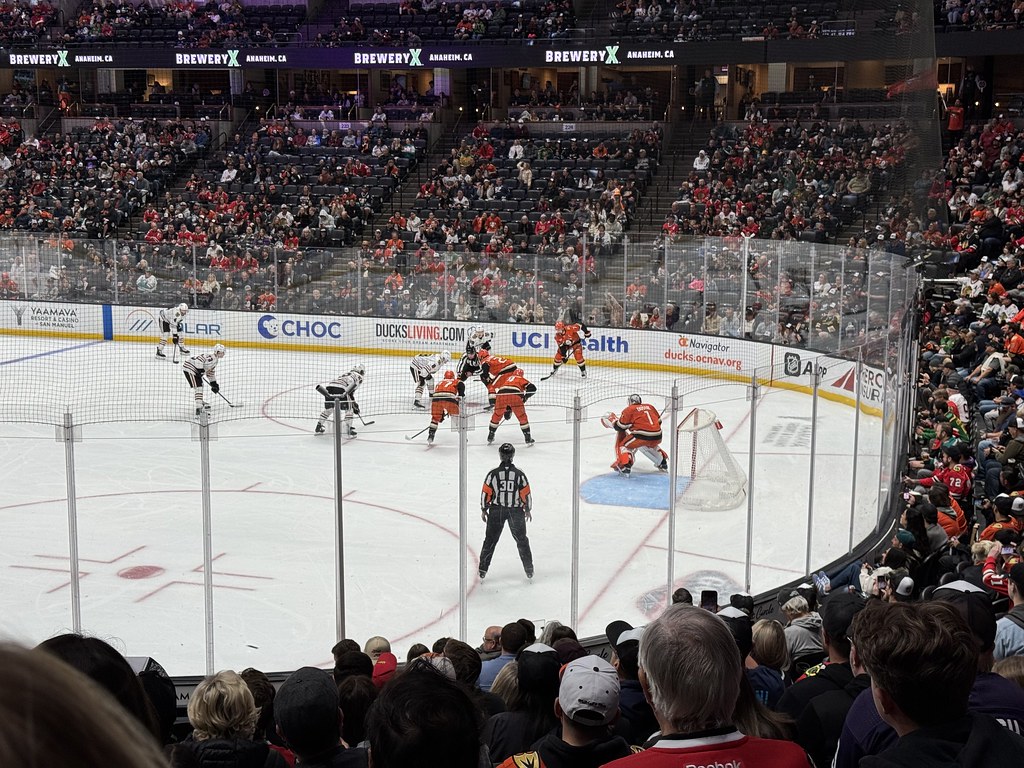
Among the most active sellers has been the Anaheim Ducks, who have been making waves since Pat Verbeek took over as general manager just before the 2022 trade deadline. Under his leadership, the Ducks have amassed a wealth of young talent, secured experienced veterans, and even hired the franchise’s second-winningest coach. Now, they find themselves on the brink of their first playoff appearance since 2018, aiming to break the NHL’s third-longest playoff drought.
In the 24 hours leading up to the Friday noon PST deadline, the Ducks made two significant moves that could reshape their roster. First up was the acquisition of veteran defenseman John Carlson from the Washington Capitals, a move that signals Verbeek’s intention to bolster the team’s chances for a deep playoff run.
Carlson, in the final year of his eight-year contract with an average annual value of $8 million, comes as a rental player. His arrival hinges on the Ducks reaching the playoffs; if they do, they will send their 2026 first-round pick to the Capitals. Should they fall short, they will have the option to transfer their 2026 or 2027 first-round pick instead. The 36-year-old defenseman has had a productive season, scoring 46 points (10 goals, 36 assists) in 55 games, and leaves the Capitals as their franchise leader among defensemen.
Verbeek expressed his rationale behind the deal, stating, “I think when you have an opportunity to better your team, I think that’s your responsibility and your duty to do that. We have enough draft picks. We have enough prospects coming. Is it worth it to give up a conditional first-rounder? In my opinion, yes, it is.” This acquisition notably contrasts with the expected profile of a defenseman the Ducks might pursue, as Carlson is more of an offensive playmaker than a traditional stay-at-home defender.
The Ducks’ offensive prowess has been a key factor in their success this season, and the addition of Carlson, a highly regarded offensive defenseman, could enhance their strengths. Despite being one of the NHL’s poorer defensive teams, the Ducks have relied on their high-octane offense and standout goaltender Lukas Dostal. Carlson’s experience and offensive skill set could play a crucial role as the Ducks look to navigate the playoffs.
In a separate move, the Ducks traded Ryan Strome to the Calgary Flames, parting ways with a player who had been a consistent contributor during his tenure in Anaheim. Strome, who was signed to a five-year contract with a $5 million average annual value, has struggled this season after missing the first 16 games due to injury. With young talents like Beckett Sennecke stepping up, Strome found himself out of the lineup more often than not.
Although trading Strome may have come at a low point in his value, the move allows him to reclaim a meaningful role in Calgary while clearing $5 million off the Ducks’ salary cap. This financial flexibility is crucial as Anaheim prepares for significant contract extensions for players like Cutter Gauthier and Leo Carlsson, along with potential re-signings of key free agents.
As the Ducks stand on the threshold of a playoff return, their roster is evolving. The recent trades and strategic decisions made by Verbeek signal a clear message: the Ducks are positioning themselves as legitimate contenders. While the road ahead remains challenging, the franchise is poised for a promising future.
Note: This recap is an independently written summary based on publicly available reporting.