 CLE
CLE  CHW
CHW 
 PHI
PHI  OTT
OTT  UTA
UTA  BOS
BOS  DAL
DAL  BUF
BUF  NSH
NSH  MTL
MTL  MIN
MIN  TB
TB  VAN
VAN  CAR
CAR  CHI
CHI  NYI
NYI  SJ
SJ  STL
STL  COL
COL  CGY
CGY  TOR
TOR  VGK
VGK  TB
TB  DAL
DAL  BOS
BOS  CLE
CLE  NOP
NOP  MIA
MIA  PHI
PHI  BKN
BKN  WAS
WAS  NYK
NYK  ATL
ATL  SAS
SAS  SAC
SAC  LAL
LAL  SEA
SEA  DET
DET  NYR
NYR  WSH
WSH  PIT
PIT  CBJ
CBJ  ANA
ANA  WPG
WPG  HOU
HOU  DAL
DAL  MEM
MEM  CHI
CHI 


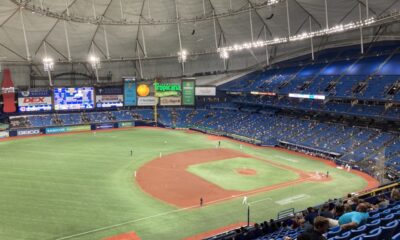
As Pitbull’s “Fireball” echoed through loanDepot Park, Shohei Ohtani stood in the dugout, preparing for what could be his final at-bat of the World Baseball Classic. With Japan down three runs and just three outs remaining, Ohtani’s routine was a mix of focus and anticipation. He adjusted his batting gloves and retrieved his bat, radiating confidence. However, despite his brilliance, the odds were stacked against him. With two Samurai Japan hitters preceding him failing to reach base, Ohtani’s chance for a game-changing home run vanished when he popped out to shortstop, sealing Japan’s fate and ending their quest for back-to-back WBC titles.
As Ohtani trudged back to the dugout, the atmosphere shifted. The Venezuelan crowd erupted in celebration, with fans draped in the nation’s colors jumping for joy. On the field, Venezuelan players embraced one another, reveling in their 8-5 victory that not only eliminated Japan but also secured a spot in the semifinals against Italy and guaranteed their participation in the 2028 Olympics in Los Angeles. “My country right now is celebrating. It’s extremely happy. It’s on the streets,” said Venezuela manager Omar López, reflecting the joy of a nation.
The game kicked off explosively, with Ronald Acuña Jr. launching a home run that sent the crowd into a frenzy. Acuña’s blast came on the second pitch from Japan’s Yoshinobu Yamamoto, showcasing his power with a low liner to right field. Ohtani quickly responded, hitting a homer of his own to level the score at one, a moment that drew audible gasps from the crowd.
As the game progressed, it became a tug-of-war. Both Yamamoto and Venezuela’s Ranger Suárez struggled to find their rhythm early on. Yamamoto allowed four extra-base hits in the first few innings, while Suárez’s night unraveled in the third, where Japan capitalized with a four-run inning, highlighted by a three-run homer from Shota Morishita. Morishita’s unexpected contribution emerged after he was called up due to an injury to Seiya Suzuki, who had been thrown out trying to steal.
Despite Japan’s momentum, Venezuela remained resilient. When Yamamoto exited after four innings, Japan’s bullpen faltered, allowing Venezuela to mount a comeback. A controversial managerial decision by Hirokazu Ibata to bring in lefty Chihiro Sumida against a lineup filled with right-handed hitters proved costly. Maikel García’s two-run homer tied the game, followed by a dramatic three-run shot from Wilyer Abreu that put Venezuela ahead, igniting the crowd once more.
Venezuela’s bullpen played a crucial role in maintaining the lead, with a group of six relievers combining for 6 1/3 scoreless innings against Japan’s formidable lineup. Japan struggled to respond, managing just three hits after the third inning. Enmanuel De Jesus, a lefty who had spent the previous season in Korea, delivered a standout performance, shutting down the Japanese offense.
Postgame, Acuña reflected on the significance of the victory. “This is history for us and for our country. We have been working on a daily basis to give this joy to our country. But the job is not completed. We have two games to win,” he stated, emphasizing the team’s determination to continue their journey.
Ultimately, Venezuela’s comprehensive victory highlighted their superiority in this quarterfinal clash. Japan, while boasting a talented roster, lacked the depth and power of previous teams, missing key pitchers like Yu Darvish and Roki Sasaki. As Japan heads home, the weight of this defeat will linger, leaving the players with a long wait until their next opportunity to reclaim their status on the global stage.
Note: This recap is an independently written summary based on publicly available reporting.