 CLE
CLE  CHW
CHW 
 PHI
PHI  OTT
OTT  UTA
UTA  BOS
BOS  DAL
DAL  BUF
BUF  NSH
NSH  MTL
MTL  MIN
MIN  TB
TB  VAN
VAN  CAR
CAR  CHI
CHI  NYI
NYI  SJ
SJ  STL
STL  COL
COL  CGY
CGY  TOR
TOR  VGK
VGK  TB
TB  DAL
DAL  BOS
BOS  CLE
CLE  NOP
NOP  MIA
MIA  PHI
PHI  BKN
BKN  WAS
WAS  NYK
NYK  ATL
ATL  SAS
SAS  SAC
SAC  LAL
LAL  SEA
SEA  DET
DET  NYR
NYR  WSH
WSH  PIT
PIT  CBJ
CBJ  ANA
ANA  WPG
WPG  HOU
HOU  DAL
DAL  MEM
MEM  CHI
CHI  NJ
NJ  EDM
EDM  FLA
FLA  LA
LA  LAC
LAC  TOR
TOR  IND
IND  DET
DET  MIN
MIN  GSW
GSW  PHX
PHX 

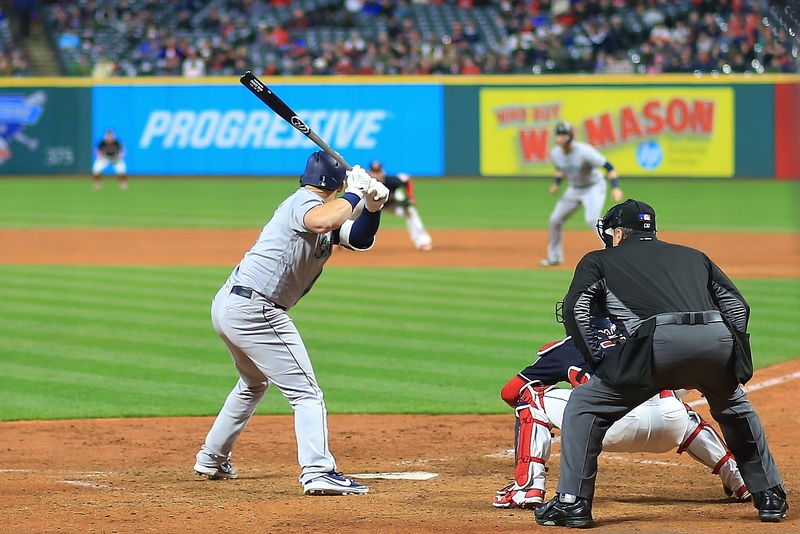
In the world of fantasy baseball, drafting players often mirrors investment strategies. For those who lean towards risk aversion, the inclination is to steer clear of players with injury histories or skill uncertainties. However, as the average draft position (ADP) market becomes increasingly efficient, the risks associated with high-priced players can escalate. The term “high-risk, high-reward” typically applies to players whose significant upside comes with an equally significant cost.
Take Bryan Woo, for example. After spending two months on the sidelines in 2024 due to elbow and hamstring injuries, he rebounded impressively in 2025, logging 186 innings and achieving 21 quality starts. Yet, a late-season pectoral injury sidelined him for the remainder of the regular season. As the Mariners advanced to the postseason, Woo was included on the ALCS roster, making a notable relief appearance over 4.1 innings. Despite the potential for another injury to impact his 2026 season, the draft market is still valuing his peak performance. With impressive stats, including a 22% K-BB% and a 13.2% swinging-strike rate, Woo could be a coveted pick—if not for the lingering injury concerns.
Similarly, Pete Crow-Armstrong made headlines during the World Baseball Classic, showcasing his talents and influencing fantasy managers with recent performance bias. His 2025 season was a roller coaster, featuring 21 home runs and 25 stolen bases in the first half, followed by a sharp decline to 10 home runs and 10 steals with a .228 batting average in the latter half. A deeper analysis reveals his contact rates remained consistent, but a significant drop in his home run per flyball rate and stolen base attempts raises questions about his long-term production. Crow-Armstrong’s aggressive hitting style, reflected in a 45.6% chase rate outside the zone, makes him a high-risk pick that fantasy players should evaluate carefully.
Francisco Lindor and Corbin Carroll also present a unique scenario. Both players underwent hamate bone surgeries in mid-February, raising concerns about their readiness for the start of the season. While both are expected to be on the Opening Day roster, their recovery timelines differ. Historically, players returning from similar surgeries have missed varying amounts of time, which adds a layer of uncertainty. Given their track records as elite fantasy contributors, managers should temper expectations and consider the depth available at the shortstop and outfield positions.
Oneil Cruz’s potential 20/30 upside can be enticing, but his recent performance warrants caution. His 2025 season saw a decrease in batting average to .200 despite a jump in stolen bases to 38. With a BABIP drop of 85 points and a concerning contact rate below league average, Cruz’s profile raises red flags. His struggles against left-handed pitchers and tendency to hit groundballs complicate his value. In shallower leagues, his profile may be manageable, but for deeper formats, the risks associated with his draft position are significant.
Blake Snell’s shoulder issues could see him starting the season on the injured list, making him a risky pick within the top-100 selections. His previous shoulder discomfort led to a lengthy absence, and any lingering issues raise alarms for potential fantasy managers. Although his skills remain intact, the injury history makes him a questionable investment.
Nico Hoerner presents another conundrum; while he boasts a solid career batting average of .282, he has only reached double-digit home runs once. For him to justify a draft pick around 100, he would need to post around 90 runs, 30 stolen bases, and a .290 average. Although his skills indicate he could meet these benchmarks, the lack of power makes him a risky selection, particularly in leagues that demand more power output.
Trey Yesavage will also begin the year on the injured list due to a right-shoulder impingement, which can have unpredictable recovery timelines. His unique pitching style and high-spin splitter could provide upside, but potential workload limitations this season add another layer of uncertainty. Similar concerns surround Tyler Glasnow, who has faced extensive injury issues, including shoulder inflammation and back tightness over the past two seasons. Despite his per-inning skills, his injury history makes him a hesitant choice as a middle-round pick.
Finally, Carlos Estévez’s recent drop in fastball velocity raises eyebrows. After showing strong performance in 2025, a significant reduction in his heater speed during spring training could signal underlying issues. Unless new information suggests otherwise, fantasy managers should be cautious about investing in Estévez at his current cost.
In the realm of fantasy baseball, understanding risk is essential. As the draft approaches, players like Woo, Crow-Armstrong, Lindor, and others present enticing upside but come with varying degrees of risk. Decision-making should align with personal investment preferences and league format to navigate the uncertain waters of fantasy drafts.
Note: This recap is an independently written summary based on publicly available reporting.