 DET
DET  CHW
CHW  MIL
MIL  BAL
BAL  BOS
BOS  TB
TB  PHI
PHI  NYM
NYM  OAK
OAK  CLE
CLE  CHC
CHC  CIN
CIN  KC
KC  PIT
PIT  TOR
TOR  TEX
TEX  ATL
ATL  HOU
HOU  WSH
WSH  STL
STL  NYY
NYY  ARI
ARI  SEA
SEA  COL
COL  MIA
MIA  SD
SD  SF
SF  LAD
LAD  MIN
MIN  LAA
LAA 
 MTL
MTL  TOR
TOR  DAL
DAL  STL
STL  WPG
WPG  EDM
EDM  CHI
CHI  MIN
MIN  VGK
VGK  LA
LA  VAN
VAN  SEA
SEA  NYI
NYI  NJ
NJ  SJ
SJ  ANA
ANA  WSH
WSH  BOS
BOS  NSH
NSH  TB
TB  UTA
UTA  COL
COL  CAR
CAR  FLA
FLA  CGY
CGY  CAR
CAR  ATL
ATL  MIN
MIN  CHI
CHI  PHI
PHI  TEN
TEN  PIT
PIT  NE
NE  GB
GB  NYJ
NYJ  CLE
CLE  TB
TB  NO
NO  BAL
BAL  CIN
CIN  HOU
HOU  JAX
JAX  DEN
DEN  LV
LV  LAC
LAC  WAS
WAS  DAL
DAL  SEA
SEA  ARI
ARI  MIA
MIA  SF
SF  IND
IND  KC
KC 

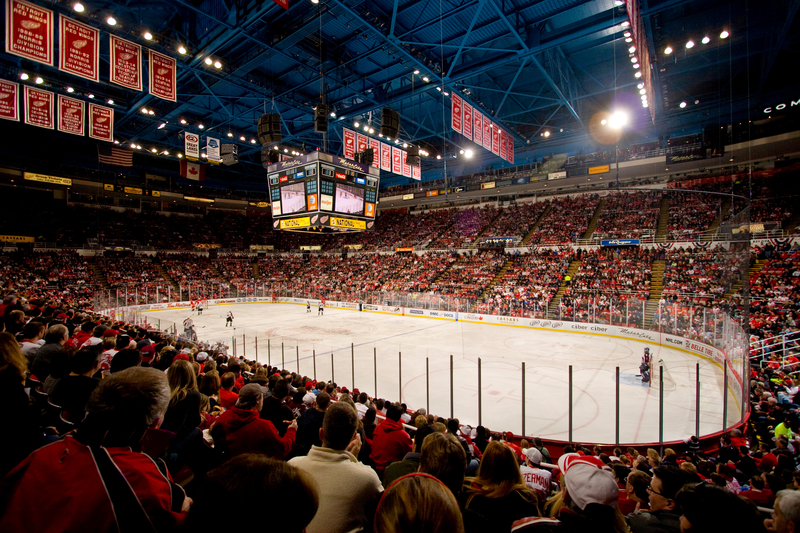
The Detroit Red Wings are facing yet another offseason of reflection as they officially miss the Stanley Cup Playoffs for the tenth consecutive year. Their fate was sealed following a disappointing late-season collapse, culminating in a 5–3 loss that echoed with boos from frustrated fans at Little Caesars Arena on April 11. This followed a 4–3 overtime defeat to the Tampa Bay Lightning and a disheartening 8–1 blowout loss to the Florida Panthers in their regular-season finale.
Head coach Todd McLellan did not mince words about the team’s performance after the final game. In what became his briefest postgame media availability of the season, he expressed his frustration, stating that the entire team should feel embarrassed by their lack of effort. McLellan has previously criticized certain players for merely being “jerseys” on the ice, indicating they were not contributing meaningfully to the team’s efforts. “Right now, for us, I think we have some players that are playing well and playing hard, and then we have some guys that are just jerseys,” he remarked on February 28. “They’re skating around, they’re eating up some minutes, but we need more. We just flat out need more.”
This critique raises questions about which players McLellan was referring to, especially during the final stretch of the season. One player who stands out in this regard is Michael Rasmussen, the Red Wings’ former first-round pick from the 2017 NHL Draft. At 6’6″ and 220 pounds, Rasmussen has the build of a prototypical power forward but has often shied away from physical play. He struggles to maintain possession and rarely makes the aggressive plays expected of a player with his size.
Despite showing glimpses of potential, such as when he leveled Jack Hughes of the New Jersey Devils after scoring an empty-net goal, Rasmussen’s overall performance this season has left much to be desired. Appearing in 64 games, he recorded only 14 points—his lowest total aside from the shortened 2020–21 season. Moreover, his hit count was less than half of what it was the previous year, raising concerns about his effectiveness on the ice.
Rasmussen’s trajectory seemed promising after a strong showing in 2021-22 and a solid start to the 2022-23 season before a broken kneecap cut his time short. However, he has not lived up to the expectations of a power forward since then. With two seasons remaining on his contract at a cap hit of $3.2 million, the future for Rasmussen is uncertain. If general manager Steve Yzerman follows through on his commitment to enhance the team’s five-on-five scoring and toughen up the bottom-six, Rasmussen may find himself on the trading block or facing a potential buyout.
Note: This recap is an independently written summary based on publicly available reporting.