 LAD
LAD  ATL
ATL  MIL
MIL  SD
SD 
 CAR
CAR  MTL
MTL  NSH
NSH  TOR
TOR  OTT
OTT  DET
DET  UTA
UTA  NJ
NJ  MIN
MIN  BUF
BUF  NYI
NYI  NYR
NYR  STL
STL  CHI
CHI  VGK
VGK  SEA
SEA  FLA
FLA  LA
LA  BKN
BKN  CHA
CHA  NOP
NOP  OKC
OKC  DEN
DEN  UTA
UTA  LAL
LAL  GSW
GSW  CLE
CLE  CHW
CHW  TB
TB  NYY
NYY  PIT
PIT  WSH
WSH  COL
COL  WPG
WPG  EDM
EDM  ANA
ANA  MIN
MIN  IND
IND  ORL
ORL  MEM
MEM  MIL
MIL  PHX
PHX  CHI
CHI  POR
POR 


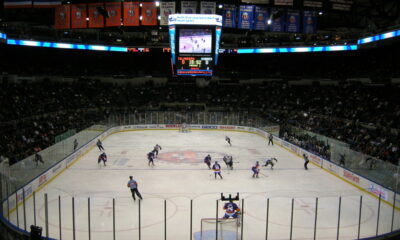
The NHL’s Stanley Cup playoffs usher in a significant shift in overtime rules that heighten the stakes of each game. Unlike the Olympics, where 3-on-3 overtime is standard even in gold medal matchups, the NHL opts for a more traditional format in the postseason. Here, teams engage in 5-on-5 play, mirroring regulation periods. This means no more shootouts after five minutes of scoreless overtime; instead, it’s sudden death, and the potential for lengthy battles looms large.
This postseason has already witnessed 18 overtime games, including three that extended into double overtime. The thrilling Game 7 of the Montreal-Buffalo series marked the 18th overtime encounter, showcasing the intensity and unpredictability of playoff hockey.
When the score is tied following three periods, teams retreat to their dressing rooms for a 15-minute intermission while the ice is resurfaced. Overtime periods last 20 minutes, continuing until a goal is scored. Play remains 5-on-5 unless penalties occur, and if the first overtime concludes without a score, teams switch sides and repeat the process. The first overtime presents a long change for players returning to the bench, adding another layer of strategy to the game.
The NHL Situation Room plays a crucial role in ensuring the integrity of the game, reviewing all goals to confirm their legality. This was evident in the pivotal moments of the Anaheim-Edmonton and Vegas-Utah series, where goals were scrutinized to determine their validity.
Several notable overtime moments have defined this postseason. On May 18, Alex Newhook secured the win for the Canadiens against the Sabres at 11:22 of the first overtime in Game 7. Earlier, on May 13, Brett Kulak delivered a decisive goal for the Avalanche at 3:52 of the first overtime to eliminate the Wild in Game 5. The Golden Knights also made headlines with Pavel Dorofeyev’s game-winner just over four minutes into overtime on May 12, pushing them ahead in their series against the Ducks.
Other thrilling overtime matchups included Jackson Blake’s goal at 5:31 in the first overtime on May 9, which swept the Flyers, and Gage Goncalves’ goal at 9:03 on May 1, which tied the series for the Lightning against the Canadiens. The drama escalated with Brett Howden’s overtime goal at 5:28 of the second overtime on April 29, giving the Golden Knights a crucial series lead over Utah.
As the playoffs continue, the excitement surrounding overtime games remains palpable, with teams battling not just for victory but for the chance to etch their names into the annals of playoff history. The NHL’s overtime format not only tests the skill and endurance of players but also captivates fans, making each game a memorable spectacle.
Note: This recap is an independently written summary based on publicly available reporting.