 BUF
BUF  TOR
TOR  NYI
NYI  OTT
OTT  SEA
SEA  TB
TB  VAN
VAN  FLA
FLA  NYR
NYR  NJ
NJ  PHI
PHI  DET
DET  WPG
WPG  CHI
CHI  SJ
SJ  NSH
NSH  STL
STL  MIN
MIN  UTA
UTA  EDM
EDM  CGY
CGY  VGK
VGK  SEA
SEA  DEN
DEN  TOR
TOR  NYK
NYK  OKC
OKC  HOU
HOU  PIT
PIT  COL
COL  BOS
BOS  ANA
ANA  MIA
MIA  ORL
ORL  BOS
BOS  PHI
PHI  DET
DET  MIL
MIL  IND
IND  ATL
ATL  DAL
DAL  SAC
SAC  SAS
SAS  CHA
CHA  MEM
MEM  WAS
WAS  NOP
NOP  MIN
MIN  CHI
CHI  POR
POR  GSW
GSW  UTA
UTA  PHX
PHX  DEN
DEN  LAL
LAL 

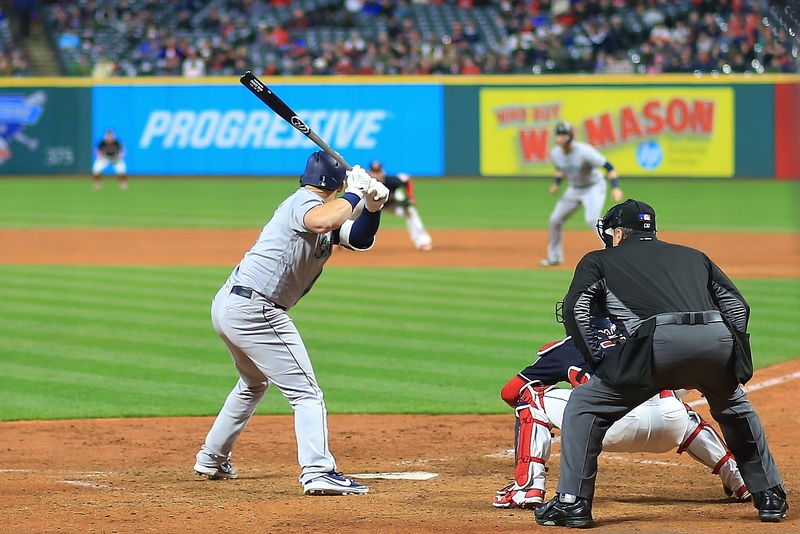
In a bold move that could reshape the landscape of professional baseball, Major League Baseball (MLB) has proposed a hard salary cap for the first time since the infamous 1994 strike that led to the cancellation of the World Series. This proposal was put forth during a meeting with the MLB Players’ Association in New York on Thursday.
The league’s plan includes a salary cap set at $245.3 million, which encompasses benefits and is notably lower than the payrolls of eight current MLB teams. To implement this cap, a significant reduction in overall payroll by $578 million would be required. In contrast, MLB has also suggested a salary floor of $171.2 million, mandating that 12 teams raise their payroll by a combined total of $617 million.
During the last collective bargaining discussions in 2021, MLB’s proposal featured a four-tier luxury tax system starting at $180 million, alongside a salary floor of $100 million. However, that proposal was rejected outright by the players’ union, leading to a contentious 99-day lockout.
Under the new proposal, MLB asserts that players would immediately receive 50% of baseball revenue. The league has noted a staggering 247% increase in revenue since 2003, while player payroll has risen by 149% in the same period. MLB emphasizes that the proposed salary cap aims to enhance competitive balance across the sport.
“Ultimately the game is about hope and competition and too many fans in too many markets have too little hope their team has a fair chance to win,” said MLB spokesman Glen Caplin. He added that fans largely favor the introduction of a salary cap and floor, noting that the current $446 million spending disparity among teams is perceived as an unfair advantage. Caplin highlighted that the proposal seeks to level the playing field while sharing baseball revenue equally with players.
In contrast, the players’ union argues that competitive balance is not a pressing issue, pointing to successful small-market teams such as the Milwaukee Brewers, Tampa Bay Rays, and Cleveland Guardians, who are currently leading their divisions. The Brewers, in particular, achieved the best record in MLB last season with 97 wins, securing the NL Central title for the third consecutive year.
Additionally, MLB’s proposal includes centralizing all revenue from local media and distributing it evenly among clubs, while players would benefit from 50% of any future increases in media revenue, particularly as national TV contracts are set to expire after the 2028 season.
As the current collective bargaining agreement is set to expire on December 1, the urgency for a resolution is growing. Should an agreement not be reached, another lockout could be on the horizon, raising concerns for players and fans alike.
Note: This recap is an independently written summary based on publicly available reporting.