 PHI
PHI  BUF
BUF  FLA
FLA  OTT
OTT  ATL
ATL  ORL
ORL  MIL
MIL  WAS
WAS  MIN
MIN  MIA
MIA  CHA
CHA  BKN
BKN  CHI
CHI  TOR
TOR  UTA
UTA  MEM
MEM  IND
IND  NOP
NOP  DAL
DAL  HOU
HOU  GSW
GSW  LAL
LAL  PHX
PHX  POR
POR  SAC
SAC  LAC
LAC  NSH
NSH  BOS
BOS  NYR
NYR  TOR
TOR  SJ
SJ  ANA
ANA  NJ
NJ  PIT
PIT  LA
LA  NYI
NYI  VGK
VGK  STL
STL  WPG
WPG  DAL
DAL  MIN
MIN  CGY
CGY  CAR
CAR  EDM
EDM  UTA
UTA  SEA
SEA  DET
DET  VAN
VAN  NE
NE  CHI
CHI  CLE
CLE  PHI
PHI  DEN
DEN  OKC
OKC 

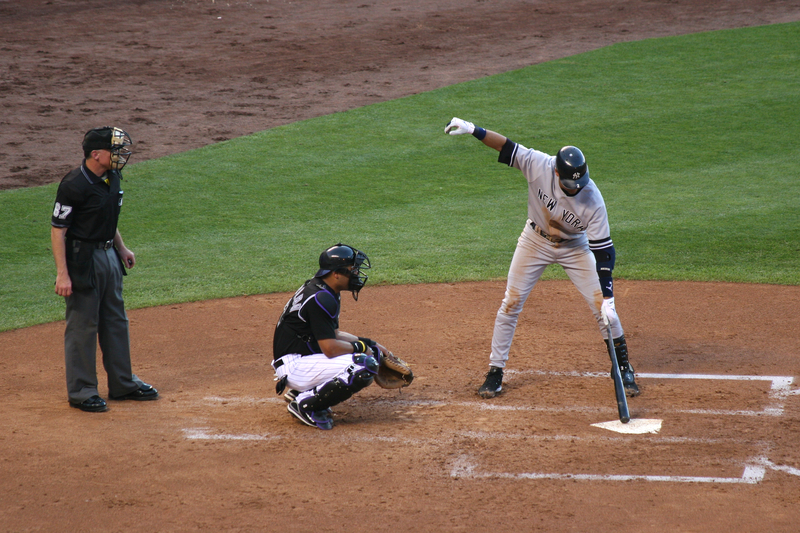
While many fans associate the New York Yankees’ legacy with icons like Babe Ruth and Lou Gehrig, the roots of this storied franchise stretch back further than the 1920s dynasty. The Highlanders, as they were known before becoming the Yankees, made their debut in 1903, and it was pitcher Jack Chesbro who emerged as a foundational figure in the team’s early history. With a $1,000 signing bonus to leave the Pittsburgh Pirates, Chesbro quickly became the cornerstone of the new franchise.
Although he never captured a World Series title with the club, Chesbro etched his name into Yankees lore as the first starting pitcher in the organization’s history. His remarkable 1904 season, which included an astounding 41 wins, still stands as the franchise record for victories in a single season. This achievement earned him a place at number 44 in Pinstripe Alley’s ranking of the Top 100 Yankees.
Born on June 5, 1874, in North Adams, Massachusetts, Chesbro’s journey to the majors began in amateur leagues in New England. His talent shone through while pitching for a team called the Asylums, which represented the Middletown State Homeopathic Hospital. After a series of stints with various minor league teams, he caught the eye of the Pirates in 1899. However, his time in Pittsburgh was tumultuous; after a brief period, he was traded to the Louisville Colonels only to be reassigned back to the Pirates when the Colonels disbanded.
Chesbro’s tenure with the Pirates was more fruitful, as he helped lead the team to consecutive National League pennants in 1901 and 1902. But as the American League began to attract talent with better salaries, the Highlanders made their pitch, and Chesbro accepted their offer. He made his debut on April 22, 1903, in the Highlanders’ first-ever game, allowing three runs over nine innings in a 3-1 loss to the Senators. Despite the setback, he proved to be a reliable pitcher, finishing his inaugural season with a 21-19 record and a 2.77 ERA.
However, it was the 1904 season that solidified Chesbro’s legacy. Armed with a new spitball and “slow ball,” he dominated the league, achieving 41 wins, a record that remains unmatched in the modern era. His season was marked by a series of franchise records, including 51 starts and 454.2 innings pitched. Yet, despite his individual brilliance, the Highlanders fell short of their championship aspirations, particularly in a dramatic final game against the Boston Americans on October 10, 1904. Chesbro’s wild pitch in the ninth inning allowed Boston to score the decisive run, leaving the Highlanders without a pennant.
As the years progressed, Chesbro struggled to replicate his historic 1904 performance, and by 1909, he was released after a difficult season. A brief stint with the Boston Red Sox followed, but he never regained his former glory. After his playing days, Chesbro returned to a quieter life, tending to his farm in New England and briefly coaching in 1924.
Chesbro’s impact on the game extended beyond his pitching prowess; he is credited with introducing the suicide squeeze play to Major League Baseball. This innovative move stemmed from a misunderstanding of a sign while he was on third base, showcasing his instinctive understanding of the game.
Jack Chesbro passed away in 1931 from a heart attack while working on his farm, but his contributions to baseball were recognized posthumously when he was inducted into the Hall of Fame in 1946 by the Veterans’ Committee. As we celebrate his legacy, it’s clear that Chesbro played a pivotal role in shaping the early years of what would become one of sports’ most legendary franchises.
Note: This recap is an independently written summary based on publicly available reporting.