 DET
DET  CHW
CHW  MIL
MIL  BAL
BAL  BOS
BOS  TB
TB  PHI
PHI  NYM
NYM  OAK
OAK  CLE
CLE  CHC
CHC  CIN
CIN  KC
KC  PIT
PIT  TOR
TOR  TEX
TEX  ATL
ATL  HOU
HOU  WSH
WSH  STL
STL  NYY
NYY  ARI
ARI  SEA
SEA  COL
COL  MIA
MIA  SD
SD  SF
SF  LAD
LAD  MIN
MIN  LAA
LAA 
 MTL
MTL  TOR
TOR  DAL
DAL  STL
STL  WPG
WPG  EDM
EDM  CHI
CHI  MIN
MIN  VGK
VGK  LA
LA  VAN
VAN  SEA
SEA  NYI
NYI  NJ
NJ  SJ
SJ  ANA
ANA  WSH
WSH  BOS
BOS  NSH
NSH  TB
TB  UTA
UTA  COL
COL  CAR
CAR  FLA
FLA  CGY
CGY  CAR
CAR  ATL
ATL  MIN
MIN  CHI
CHI  PHI
PHI  TEN
TEN  PIT
PIT  NE
NE  GB
GB  NYJ
NYJ  CLE
CLE  TB
TB  NO
NO  BAL
BAL  CIN
CIN  HOU
HOU  JAX
JAX  DEN
DEN  LV
LV  LAC
LAC  WAS
WAS  DAL
DAL  SEA
SEA  ARI
ARI  MIA
MIA  SF
SF  IND
IND  KC
KC 

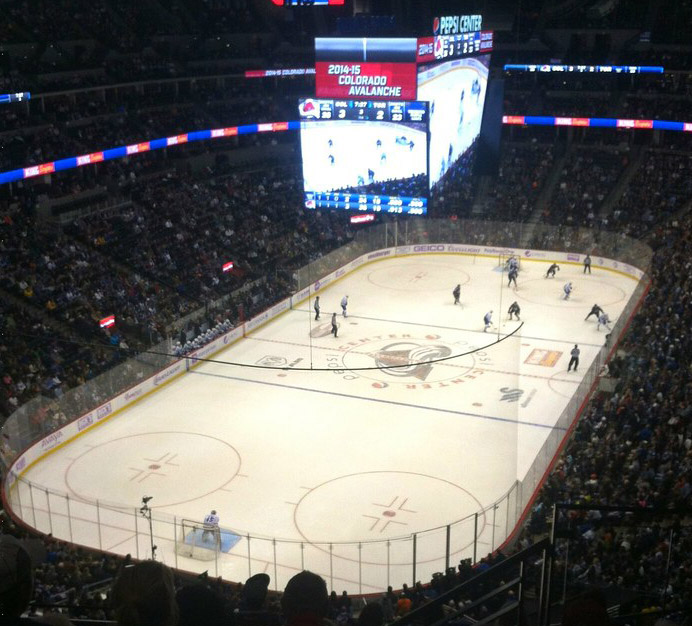
The last three decades of Colorado Avalanche hockey have been a rollercoaster ride of thrilling highs and gut-wrenching lows. As a devoted fan, I’ve experienced the exhilarating ‘best of times’ alongside the disheartening ‘blurst of times.’ In this first installment of an ongoing off-season series, we’ll explore the highlights and lowlights from the Avalanche’s history, focusing on one standout moment from each season between 2000 and 2005.
The Avalanche entered the 2000-2001 season with urgency, and they wasted no time in setting franchise records for regular season wins (52) and points (118). They clinched their second Presidents Trophy and secured the top playoff seed. Their mantra was clear: Mission 16W.
A four-game sweep of the Vancouver Canucks in the first round set the stage for a dramatic seven-game series against the Los Angeles Kings, which the Avs won at a significant cost. An overtime victory against the St. Louis Blues in Game Five propelled them to the Stanley Cup Final, where they faced the defending champion New Jersey Devils. After trailing the series 3-2, the Avalanche won a crucial Game Six in New Jersey, setting up a decisive Game Seven back in Denver.
In that final showdown, Alex Tanguay emerged as a hero, scoring the first two goals of the game. Joe Sakic added an insurance goal on the power play, sealing a 3-1 victory and securing the franchise’s second Stanley Cup. The moment was made even more memorable when Sakic, after receiving the Cup from NHL Commissioner Gary Bettman, passed it to Raymond Bourque, who had waited 22 long years for this moment. As ESPN’s Gary Thorne famously called, “And after twenty-two years…Raymond Bourque!” Patrick Roy captured his fourth Stanley Cup and a record-setting third Conn Smythe trophy as playoff MVP, but the highlight of the series was Bourque finally achieving his dream.
However, the joy was soon overshadowed by tragedy as news broke that Peter Forsberg had ruptured his spleen after the second round. Forsberg had felt discomfort after the Avs’ Game Five loss but didn’t realize the severity until hours later. He underwent emergency surgery and would not return for the playoffs, casting a shadow over Colorado’s title defense. Despite the loss, Forsberg made an appearance during the post-game ceremony to celebrate the Cup win, a testament to his unwavering spirit.
The 2002 season began on a more hopeful note when Forsberg was activated just in time for the playoffs. His return against the Los Angeles Kings reignited hopes for another deep run. The Avs battled through another grueling seven-game series, ultimately defeating the Kings before facing the San Jose Sharks in the semifinals. Forsberg became the difference-maker, scoring the only goal in Game Seven and leading all skaters in assists and points throughout the postseason. Unfortunately, the Avalanche fell short against the Detroit Red Wings in the Western Conference Final, ending their quest for back-to-back championships.
The following season, the Avs again found themselves in a precarious position. Leading the series 3-2 against Detroit, they were poised to clinch a spot in the Stanley Cup Final. However, a pivotal mistake by Patrick Roy in Game Six—a dropped puck that led to a goal by Brendan Shanahan—turned the tide. The Avs lost the game 2-0 and suffered a humiliating 7-0 defeat in Game Seven, marking a painful end to their playoff run.
Milestone moments deserve recognition, and one such moment occurred when Patrick Roy became the first goaltender in NHL history to play 1000 career games. The Avs honored him with a special pregame ceremony, presenting him with a silver stick. The game, ending in a 1-1 draw, snapped a five-game home losing streak, solidifying Roy’s legacy as a pioneer in the league.
In 2003, anticipation soared as Paul Kariya and Teemu Selänne signed with the Avalanche, igniting hopes for a Stanley Cup run. However, injuries plagued both players throughout the season, and their contributions fell short of expectations. The Avs suffered a first-round exit against the Nashville Predators, marking a disappointing chapter in their storied history.
The darkest moment came on March 8, 2004, in a game against the Vancouver Canucks. The atmosphere turned toxic following a hit by Steve Moore on Markus Näslund, leading to a premeditated attack by the Canucks on Moore. The escalating tensions culminated in a violent confrontation, overshadowing the game and leaving a lasting scar on the franchise.
Note: This recap is an independently written summary based on publicly available reporting.