 PHI
PHI  NYM
NYM  KC
KC  PIT
PIT  CHC
CHC  CIN
CIN  OAK
OAK  CLE
CLE  BOS
BOS  TB
TB  DET
DET  CHW
CHW  ATL
ATL  HOU
HOU  WSH
WSH  STL
STL  TOR
TOR  TEX
TEX  SEA
SEA  COL
COL  MIN
MIN  LAA
LAA  NYY
NYY  ARI
ARI  SF
SF  LAD
LAD  MIA
MIA  SD
SD  MIL
MIL  BAL
BAL 
 NYI
NYI  NJ
NJ  SJ
SJ  ANA
ANA  WSH
WSH  BOS
BOS  NSH
NSH  TB
TB  UTA
UTA  COL
COL  CAR
CAR  FLA
FLA  SEA
SEA  CGY
CGY  CAR
CAR  ATL
ATL  MIN
MIN  CHI
CHI  PHI
PHI  TEN
TEN  PIT
PIT  NE
NE  GB
GB  NYJ
NYJ  CLE
CLE  TB
TB  NO
NO  BAL
BAL  CIN
CIN  HOU
HOU  JAX
JAX  DEN
DEN  LV
LV  LAC
LAC  WAS
WAS  DAL
DAL  SEA
SEA  ARI
ARI  MIA
MIA  SF
SF  IND
IND  KC
KC  PHI
PHI  DET
DET  CBJ
CBJ  BUF
BUF  PIT
PIT  NYR
NYR  OTT
OTT  MTL
MTL  WPG
WPG  MIN
MIN  CHI
CHI  STL
STL  DAL
DAL  NYG
NYG  LA
LA 

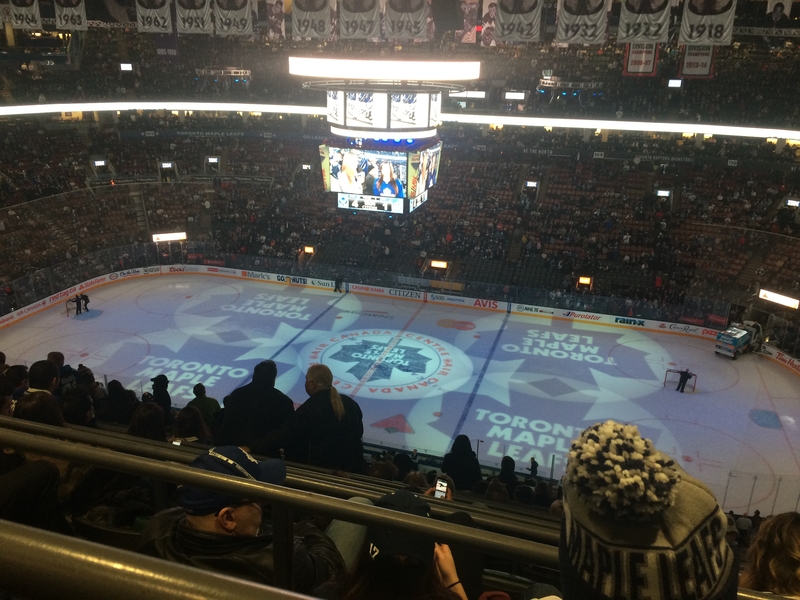
Discussions are intensifying around defenseman Morgan Rielly and his uncertain future with the Toronto Maple Leafs. After 13 seasons in Toronto, Rielly, the longest-tenured player on the team, may be nearing the end of his time in the blue and white this off-season.
However, the prospect of a split isn’t straightforward, largely due to Rielly’s contract. At 32 years old, he is entering the fifth year of an eight-year deal that carries a cap hit of $7.5 million. Additionally, Rielly possesses a no-move clause, giving him significant control over any potential trade destination.
These complexities surrounding Rielly’s situation and contract will undoubtedly influence what the Maple Leafs could expect in return if they decide to move him this summer. To gauge the potential return, it’s helpful to look at recent trades involving notable defensemen with challenging contracts or trade protection.
A recent case that illustrates the impact of a no-move clause occurred before last year’s Olympic break when the New York Rangers traded Artemi Panarin to the Los Angeles Kings. Because Panarin had a say in his destination, the Rangers were compelled to accept a deal that might not have maximized their return had he not had trade protection.
Ultimately, New York secured a promising prospect in Liam Greentree, along with a third-round pick in 2026 and a fourth-round pick in 2028. While Panarin’s situation differs significantly—being on an expiring deal and a top-five scorer in the NHL over the last decade—it underscores how a no-move clause can limit a team’s leverage in trade negotiations.
There are various strategies teams can employ when trading a player with a no-move clause or an undesirable contract, with salary retention being a viable option. For example, the Florida Panthers successfully acquired defenseman Seth Jones from the Chicago Blackhawks during the 2024-25 season. Despite Jones’s declining performance and a hefty $9.5 million cap hit, the Panthers managed to facilitate the trade by having the Blackhawks retain $2.5 million of his salary, which allowed them to send goaltender Spencer Knight and a first-round pick in 2026 in return.
Although many teams may hesitate to retain salary on long-term contracts like Jones’s, which runs through the 2029-30 season, it’s a scenario that could also apply to Rielly, whose contract similarly extends through that timeframe.
Another relevant situation is that of Jacob Trouba, who was traded from the New York Rangers to the Anaheim Ducks. Trouba, who signed a seven-year, $8 million per season contract prior to the 2019-20 season, struggled to meet expectations, leading to questions about his value. Ultimately, he was moved to the Ducks, and New York received minimal compensation in return, securing only defenseman Urho Vaakanainen and a fourth-round pick in the 2025 draft.
The dynamics of trading a player like Rielly can vary widely. In some cases, both teams emerge satisfied from the deal, while in others, the team parting with a high-profile player may find itself constrained by a challenging contract or trade protection.
Note: This recap is an independently written summary based on publicly available reporting.