 STL
STL  PIT
PIT  CHW
CHW  KC
KC  MIA
MIA  CHC
CHC  NYM
NYM  TEX
TEX  ARI
ARI  COL
COL  MIL
MIL  PHI
PHI  CLE
CLE  BOS
BOS  TB
TB  NYY
NYY  CIN
CIN  ATL
ATL  LAA
LAA  SEA
SEA  HOU
HOU  OAK
OAK  SD
SD  LAD
LAD 
 BOS
BOS  PHI
PHI  BUF
BUF  DET
DET  PIT
PIT  CBJ
CBJ  NJ
NJ  NYR
NYR  NSH
NSH  CAR
CAR  FLA
FLA  TB
TB  CHI
CHI  STL
STL  EDM
EDM  VAN
VAN  CGY
CGY  SEA
SEA  UTA
UTA  VGK
VGK  ANA
ANA  SJ
SJ  ATL
ATL  GB
GB  BAL
BAL  DET
DET  WSH
WSH  TOR
TOR  MIN
MIN  SF
SF  WSH
WSH  NYI
NYI  DAL
DAL  MIN
MIN  WPG
WPG  COL
COL  LA
LA  MTL
MTL  OTT
OTT 

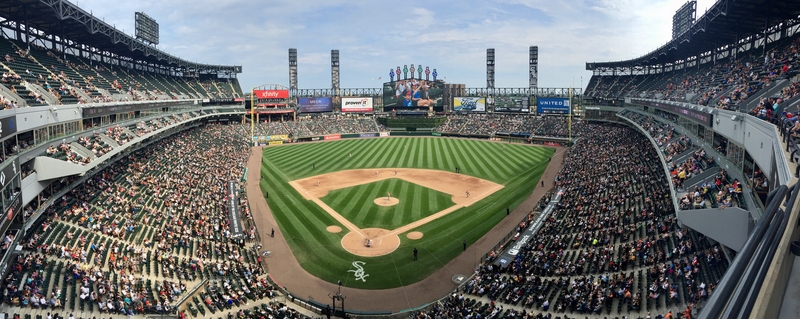
June 25 has seen its fair share of memorable moments in White Sox history, showcasing both triumphs and trials on the diamond. One of the most notable occurrences took place in 1903 when the White Sox faced the Highlanders (now Yankees) in a game that would stretch into the record books. In a remarkable display of endurance, the teams battled through 18 innings, with the game ending in a tie after a pair of nine-inning stalemates. The first part was characterized by rampant hitting and a staggering 12 errors, while the latter half turned into a fierce pitcher’s duel that concluded as darkness fell over the field.
Catcher Ed McFarland saved the White Sox from further embarrassment with a crucial catch in foul territory, doubling off a New York runner. Both teams struggled to score in the later innings, with White Sox reliever Roy Patterson and Highlanders hurler Jesse Tannehill overshadowing the starters, as Patterson pitched 9 ⅔ innings and Tannehill went 11 frames. The game was ultimately called at 7:15 p.m. with neither team contesting the decision, leaving the White Sox at 25-24 and in fifth place in the American League, a position they would ultimately struggle to improve upon by season’s end.
Fast forward to 1940, when Comiskey Park celebrated Bill Webb Day in honor of the Chicago native and longtime White Sox coach. Although Webb’s playing career was brief, appearing in just five MLB games with the Pittsburgh Pirates in 1917, he made a lasting impact on the franchise before his untimely passing just three years later at the age of 47.
In 1953, White Sox manager Paul Richards showcased his strategic brilliance by executing a rare maneuver. With his team leading the Yankees 4-2 in the ninth, he brought in Harry Dorish to relieve Billy Pierce, only to shift Pierce to first base. After Dorish faced two batters, Pierce returned to the mound to close out the game, ultimately securing the victory by striking out pinch-hitter Bill Renna. This clever tactic, dubbed “Waxahachie Swaps” by a baseball writer years later, became a hallmark of Richards’ innovative approach to managing.
The year 1961 marked another significant chapter, as the White Sox completed a doubleheader sweep against the Washington Senators, finishing a long homestand with a remarkable 15-1 record. Despite this impressive run, the team struggled early in the season and could only climb to fourth place by year’s end, finishing with an 86-76 record.
In 1962, the White Sox made key trades to bolster their roster, acquiring reliever Dean Stone and left fielder Charlie Maxwell. Stone proved valuable down the stretch, while Maxwell added depth to the outfield. Despite these moves, the White Sox fell short of their pennant aspirations, finishing fifth in the American League.
The excitement of June 25 continued in 1964 when an overflow crowd of 52,712 packed Comiskey Park for the “Boys Benefit Game,” witnessing the Sox defeat the Cubs 11-1. Fans were allowed onto the outfield grass due to the overwhelming attendance, marking a rare instance in baseball history.
Fast forward to 1991, when Jack McDowell delivered the first shutout at the new Comiskey Park, overpowering the Mariners with a three-hitter and seven strikeouts. In 2006, Tadahito Iguchi made headlines by hitting a three-run homer and then a grand slam to tie a game against the Houston Astros, though the White Sox ultimately lost in 13 innings.
Finally, in 2016, the White Sox tied their franchise record by hitting seven home runs in a single game against the Blue Jays, although they fell short, losing 10-8. This game marked only the third time in MLB history that a team hit seven home runs and still lost.
Note: This recap is an independently written summary based on publicly available reporting.