 CHW
CHW  CLE
CLE  ATL
ATL  LAD
LAD  NYY
NYY  TB
TB  SD
SD  MIL
MIL 
 CHI
CHI  BUF
BUF  MTL
MTL  PIT
PIT  WSH
WSH  TB
TB  OTT
OTT  TOR
TOR  CAR
CAR  PHI
PHI  UTA
UTA  CBJ
CBJ  SEA
SEA  EDM
EDM  NJ
NJ  NYI
NYI  BOS
BOS  MIN
MIN  DAL
DAL  NSH
NSH  STL
STL  COL
COL  CGY
CGY  VAN
VAN  LA
LA  SJ
SJ  MIA
MIA  TOR
TOR  WPG
WPG  DET
DET  NYR
NYR  FLA
FLA  ANA
ANA  VGK
VGK  IND
IND  WAS
WAS  NE
NE  BUF
BUF  NYJ
NYJ  CHI
CHI  JAX
JAX  CIN
CIN  ARI
ARI  NYG
NYG  LA
LA  PHI
PHI  GB
GB  TB
TB  TEN
TEN  BAL
BAL  DAL
DAL  HOU
HOU  MIA
MIA  MIN
MIN  KC
KC  LV
LV  DEN
DEN  SF
SF  LAC
LAC  SEA
SEA  DET
DET  CAR
CAR  UTA
UTA  DEN
DEN  GSW
GSW  LAC
LAC 

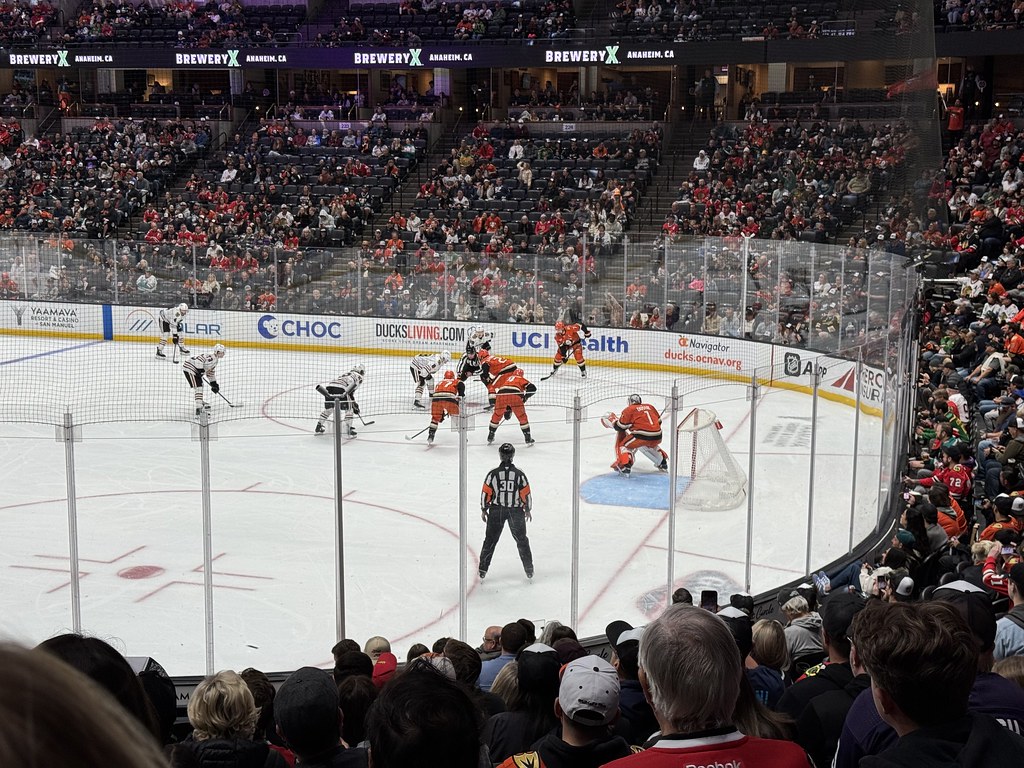
The Anaheim Ducks are entering a pivotal offseason with a projected $38.8 million in cap space and several roster holes, particularly on the right side of their defense. With six restricted free agents (RFAs) needing new contracts—including notable names like Leo Carlsson and Cutter Gauthier—the Ducks are poised for significant decisions. After signing Ian Moore to a two-year contract extension and trading Mason McTavish and Olen Zellweger, their cap space has increased to $44.6 million, reducing their RFA count to four: Carlsson, Gauthier, Pavel Mintyukov, and Tyson Hinds.
Offer sheets are a tantalizing but rare aspect of the NHL offseason, allowing teams to sign opposing RFAs between July 1 and December 1. Once signed, the original team has seven days to match the offer or receive predetermined compensation. Currently, only Carlsson, Mintyukov, and Hinds are eligible for offer sheets, as Gauthier does not meet the experience criteria. Historically, offer sheets have more success with second-tier RFAs, while top-tier players, like Carlsson, are often matched immediately.
Despite a quiet start to free agency, the Ducks have made some strategic moves, acquiring forwards AJ Greer and Jeff Malott, defenseman Nick Jensen, and goaltender Laurent Brossoit. They now sit with the most cap space in the NHL, ahead of their next moves. The offseason has been particularly eventful, influenced by a rising salary cap and a thin unrestricted free agent market.
On the offer sheet front, the New Jersey Devils recently signed Barrett Hayton to a one-year, $4.78 million offer sheet, which his original team has until July 8 to match. With high-profile RFAs like Jason Robertson and Connor Bedard also eligible, speculation is rife about the potential for more offer sheets this offseason. NHL insider Elliotte Friedman noted that the Ducks are prepared to match any offer for Carlsson, emphasizing that their current inactivity is a strategy to maintain cap flexibility.
Ducks general manager Pat Verbeek has built a reputation as a tough negotiator, particularly with RFAs coming off entry-level contracts. His history of negotiations has often led to last-minute agreements, as seen with Troy Terry and Trevor Zegras. However, Verbeek did manage to secure early extensions for Lukas Dostal and Jackson LaCombe, showing he can navigate these discussions effectively.
As the offseason progresses, the lack of a contract for Carlsson by July 1 raises questions about leverage in negotiations. Verbeek acknowledged the need to focus on player performance during the season, saying, “If they play hockey well, then all the contract stuff will take care of itself.” He expressed a desire to finalize contracts for Carlsson and Gauthier before training camp, aiming for a smooth transition into the new season.
Carlsson echoed this sentiment, stating he hopes for an agreement before training camp and confirming that no preliminary talks had taken place yet. As the Ducks continue to reshape their roster after significant player losses, the outcome of these negotiations will play a crucial role in their strategy moving forward. Verbeek’s commitment to maintaining a competitive team hinges on the successful resolution of these contracts, particularly for their young stars.
Note: This recap is an independently written summary based on publicly available reporting.