 PHI
PHI  BOS
BOS  VAN
VAN  NJ
NJ  EDM
EDM  SJ
SJ  MIN
MIN  FLA
FLA  UTA
UTA  BUF
BUF  DET
DET  MTL
MTL  NSH
NSH  OTT
OTT  DAL
DAL  PIT
PIT  CAR
CAR  CHI
CHI  CBJ
CBJ  STL
STL  TOR
TOR  COL
COL  TB
TB  NYI
NYI  ANA
ANA  CGY
CGY  LA
LA  VGK
VGK  LAC
LAC  TOR
TOR  ATL
ATL  IND
IND  DET
DET  WAS
WAS  MIN
MIN  MIA
MIA  PHI
PHI  BOS
BOS  SAC
SAC  GSW
GSW  SAS
SAS  PHX
PHX  SEA
SEA  WSH
WSH  NYR
NYR  PHI
PHI  JAX
JAX  CHI
CHI  GB
GB  HOU
HOU  TEN
TEN  CIN
CIN  MIA
MIA  LV
LV  NE
NE  MIN
MIN  NO
NO  CLE
CLE  NYJ
NYJ  IND
IND  PIT
PIT  NYG
NYG  WAS
WAS  DEN
DEN  LAC
LAC  DET
DET  ARI
ARI  SF
SF  SEA
SEA  BAL
BAL  ATL
ATL  DAL
DAL  HOU
HOU  ORL
ORL  CLE
CLE  MIL
MIL  CHA
CHA  CHI
CHI  DEN
DEN  BUF
BUF  LA
LA  OKC
OKC  BKN
BKN  NYK
NYK  UTA
UTA 

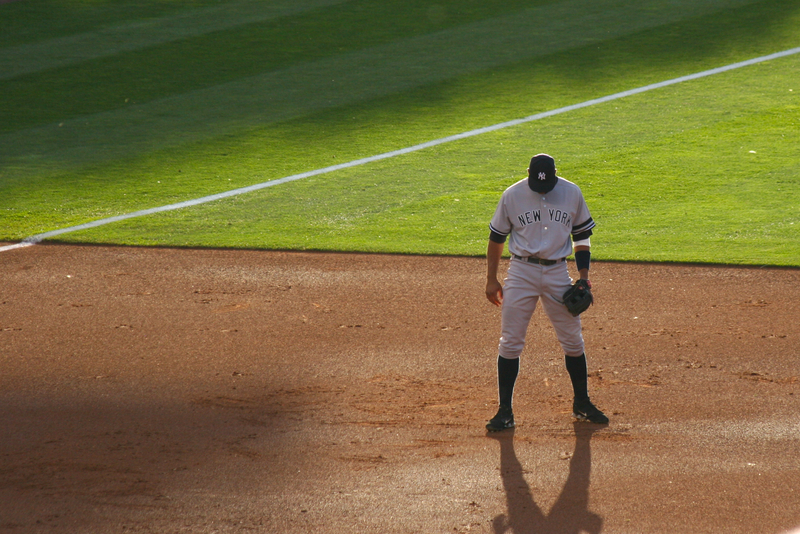
The New York Mets took significant strides to rejuvenate their farm system during the 2026 MLB Draft, a crucial moment given their recent slide to the No. 24 ranking in baseball, as noted by Baseball America. With a total of 19 players selected, including 17 from college and 2 from high school, the Mets are clearly focused on building a robust pipeline of talent.
Leading the charge was the selection of Arkansas right-hander Carson Wiggins at No. 27 overall. While this pick raised eyebrows among fans, it’s not seen as a shocking choice within industry circles. The Mets are optimistic that Wiggins, who possesses an impressive arsenal, can be molded into a potential frontline starter. Should that not materialize, he still has the potential to be a high-leverage reliever, boasting a fastball that can reach 102 mph and a devastating slider. If he signs, he will be the first pitcher the Mets have drafted and signed in the first round since David Peterson in 2017.
The first day of the draft saw the Mets making strategic value selections, starting with Texas outfielder Aiden Robbins in the third round at No. 92 overall. Robbins had generated significant buzz leading up to the draft, and his college career reflected a transformation from a contact hitter at Seton Hall to a power threat at Texas, where he hit 24 home runs in a single season. Although questions remain about his consistency against breaking balls and his defensive position, the Mets are thrilled to have acquired a player with his combination of power and hitting ability.
In the fourth round, the Mets added Texas A&M left-hander Shane Sdao at pick No. 120. Sdao, who had a promising start to his college career, faced setbacks due to Tommy John surgery, but the Mets believe his physical development and improving health could unlock his potential. His fastball, which reached 97 mph, pairs well with an above-average slider that could make him a valuable asset in the rotation.
The Mets continued their focus on pitching in the later rounds, selecting four college pitchers consecutively starting with Florida right-hander Luke McNeillie in the fifth round. McNeillie, who primarily served as a reliever, showcased impressive strikeout numbers and a fastball that can hit 99 mph. Following him, Auburn right-hander Alex Petrovic was chosen in the sixth round. After battling injuries, Petrovic emerged as a reliable starter with a solid ERA and a mix of pitches that include a fastball and a plus changeup.
In the seventh round, the Mets picked Stanford right-hander Aidan Keenan, who faced limited action due to an injury but possesses a fastball that sits between 96-99 mph. Despite some inconsistency, his tools suggest he could be a valuable reliever. The eighth round saw the selection of Ole Miss right-hander Landon Koenig, a power pitcher who dramatically increased his strikeout rate after transferring from North Dakota State.
In the ninth round, the Mets secured Cal Poly catcher Ryan Tayman, known for his offensive prowess and standout performances in the postseason. Tayman’s ability to handle fastballs has been impressive, although questions linger about his long-term viability as a catcher. Finally, they rounded out the top ten with Dartmouth right-hander Nate Isler, who brings a solid four-pitch mix to the organization.
The later rounds of the draft were filled with intriguing selections, such as Arkansas outfielder Kuhio Aloy, known for his raw power, and UC Santa Barbara right-hander AJ Krodel, who has shown flashes of excellence with his fastball. The Mets also took catcher Jacob Madrid, praised for his defensive skills, from Notre Dame High School.
Despite having the third smallest bonus pool due to previous signings, the Mets navigated the draft effectively, focusing heavily on college talent with significant potential for growth. The organization is confident that their player development staff, recognized for their success in developing pitchers, will help these new prospects realize their full capabilities. The unpredictable nature of the draft means that any of these newcomers could emerge as the next impact player for the Mets, marking the beginning of a new chapter in their professional careers.
Note: This recap is an independently written summary based on publicly available reporting.