 BUF
BUF  TOR
TOR  NYI
NYI  OTT
OTT  SEA
SEA  TB
TB  VAN
VAN  FLA
FLA  NYR
NYR  NJ
NJ  PHI
PHI  DET
DET  WPG
WPG  CHI
CHI  SJ
SJ  NSH
NSH  STL
STL  MIN
MIN  UTA
UTA  EDM
EDM  CGY
CGY  VGK
VGK  SEA
SEA  DEN
DEN  TOR
TOR  NYK
NYK  OKC
OKC  HOU
HOU  PIT
PIT  COL
COL  BOS
BOS  ANA
ANA  MIA
MIA  ORL
ORL  BOS
BOS  PHI
PHI  DET
DET  MIL
MIL  IND
IND  ATL
ATL  DAL
DAL  SAC
SAC  SAS
SAS  CHA
CHA  MEM
MEM  WAS
WAS  NOP
NOP  MIN
MIN  CHI
CHI  POR
POR  GSW
GSW  UTA
UTA  PHX
PHX  DEN
DEN  LAL
LAL  WSH
WSH  CAR
CAR  MTL
MTL  CBJ
CBJ  DAL
DAL  LA
LA 

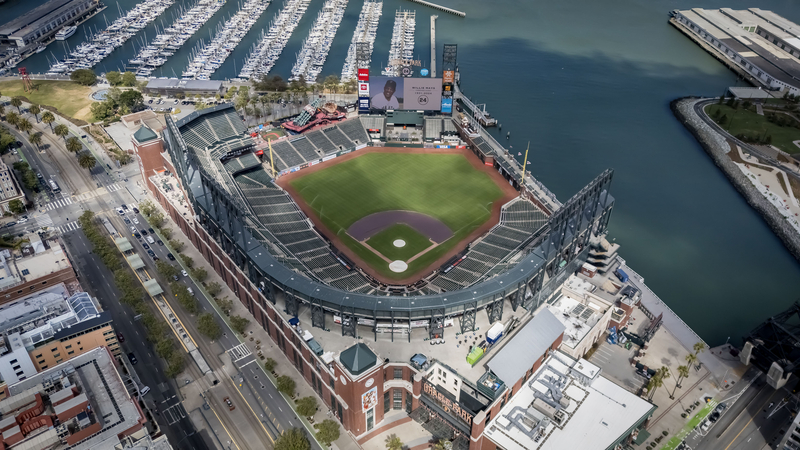
The San Francisco Giants’ 2026 season has been filled with ups and downs, and while yesterday’s article highlighted some of the brighter moments, today we turn our focus to the darker chapters. The team’s performance has left fans scratching their heads, particularly during a disheartening sweep that saw the Giants outscored 13-1, marking a grim opening at Oracle Park.
This dismal start was not just a loss; it was a stark reminder of the skepticism surrounding the team’s new direction under the management of Buster Posey and an inexperienced coaching staff. With high expectations for a veteran roster, the Giants instead showcased their struggles, leading to a season that many fans would prefer to forget.
After clawing back to a somewhat respectable 13-15 record, the Giants hit a wall, spiraling into a series of disastrous games. Their performance resembled a chaotic scene, with players seemingly stumbling into misfortune at every turn. The pitching staff, particularly Ryan Walker, faced intense scrutiny after a game where he threw 20 sinkers in just 21 pitches, culminating in a game-tying triple by Bryson Stott. Walker’s reliance on his two-seam fastball raised questions about strategy and execution. “I don’t really have an answer for you on that one,” Walker admitted, reflecting on his pitch selection. “It’s just something that we need to figure out.”
In a twist of fate, catcher Patrick Bailey, who was expected to be a key player, was traded shortly after these pitching woes. This decision came amid growing concerns that the team’s problems were deeper than just bad luck. The Giants seemed to have a fundamental issue that was beginning to reveal itself, suggesting a rot at the core of the organization.
One of the more poignant moments of the season was the firing of third base coach Hector Borg, a decision that many viewed as a scapegoat for larger systemic issues. Borg, well-regarded for his energy and passion, had a brief tenure that ended abruptly, leading to the appointment of Garry Pettis as his replacement. While Pettis has brought some improvement, the Giants still languish near the bottom of the league in baserunning metrics.
The mismanagement extended beyond the coaching staff to in-game decisions that have left fans perplexed. Instances like the overuse of pitchers such as Keaton Winn and Matt Gage during a blowout game raised eyebrows, as did the handling of star player Rafael Devers, who publicly resisted being pinch-run for. These moments have cast a shadow over manager Tony Vitello’s ability to command respect in the clubhouse.
Another critical moment came when Logan Webb, after delivering an impressive eight-inning performance, was pulled in the ninth, leading to a blown save. Webb later revealed that he had deferred to Vitello’s judgment, highlighting a lack of decisive leadership. “It’s up to you,” Webb had said, which left the outcome open to interpretation and critique.
As the season progressed, it became evident that the Giants were grappling with identity issues, both on and off the field. The incidents surrounding the team, including public protests and backlash against their handling of Pride Night, have further complicated their narrative. The Giants’ apparent disconnect with their fan base and the community has added to the sense of turmoil surrounding the franchise.
Despite the challenges, some players have managed to shine amidst the chaos, with Devers hitting well following the pinch-running incident and Webb being recognized as the Pitcher of the Month in June. Yet, these bright spots have done little to overshadow the overarching struggles that have defined the Giants’ 2026 campaign.
As the Giants navigate through this tumultuous season, it is clear that they must address their internal issues if they hope to turn things around. The clock is ticking, and the pressure is mounting as fans and analysts alike await a much-needed transformation.
Note: This recap is an independently written summary based on publicly available reporting.