 PIT
PIT  COL
COL  BOS
BOS  ANA
ANA  MIA
MIA  ORL
ORL  BOS
BOS  PHI
PHI  TOR
TOR  DET
DET  MIL
MIL  IND
IND  ATL
ATL  DAL
DAL  SAC
SAC  SAS
SAS  CHA
CHA  MEM
MEM  WAS
WAS  NOP
NOP  MIN
MIN  CHI
CHI  POR
POR  GSW
GSW  UTA
UTA  PHX
PHX  DEN
DEN  LAL
LAL  NJ
NJ  WSH
WSH  CAR
CAR  WPG
WPG  VAN
VAN  TB
TB  SEA
SEA  FLA
FLA  NYI
NYI  TOR
TOR  BUF
BUF  MTL
MTL  SJ
SJ  DET
DET  OTT
OTT  PHI
PHI  NYR
NYR  CBJ
CBJ  DAL
DAL  CHI
CHI  STL
STL  NSH
NSH  LA
LA  EDM
EDM  UTA
UTA  VGK
VGK 

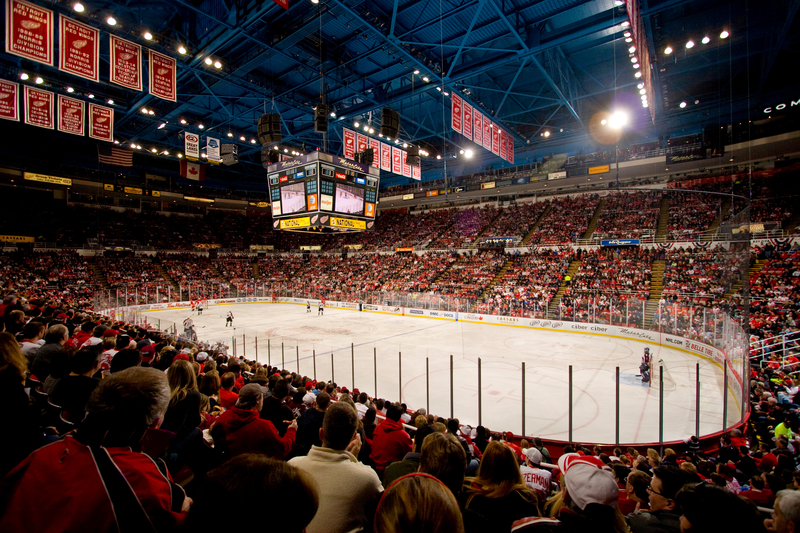
On this day in 1997, the Detroit Red Wings made a monumental decision that would shape the future of the franchise for decades. Just weeks after breaking a 42-year Stanley Cup drought, they promoted Ken Holland to general manager, a move that would solidify their status at the pinnacle of the NHL.
Holland stepped into the role after serving as the club’s director of amateur scouting for seven years and three seasons as assistant general manager. This promotion not only ensured continuity for a team basking in the glow of recent success but also laid the groundwork for what would become one of the most impressive eras in hockey history.
Over his remarkable 22-season tenure, Holland led the Red Wings to unprecedented success. Under his leadership, Detroit captured three Stanley Cups in 1998, 2002, and 2008, reached the Finals in 2009, and secured four Presidents’ Trophies. The franchise also claimed 10 division titles and multiple regular-season conference championships, thriving in a competitive landscape.
Holland’s era was marked by consistency, with the Red Wings achieving 13 seasons of at least 100 points and qualifying for the playoffs every year during his time at the helm. This remarkable streak extended to 25 consecutive seasons before concluding in 2016-17, a testament to Holland’s ability to build and maintain a winning team.
From the moment he took charge on July 18, 1997, Detroit outperformed all other NHL franchises in combined regular-season and playoff victories. Among his most notable acquisitions were defenseman Chris Chelios from the Chicago Blackhawks in 1999 and goaltender Dominik Hašek before the 2001-02 season. Holland also bolstered the 2002 championship roster with veterans Brett Hull and Luc Robitaille, showcasing his knack for strategic moves.
Crucially, Holland retained homegrown stars like Nicklas Lidström, Steve Yzerman, Pavel Datsyuk, and Henrik Zetterberg, ensuring that the Red Wings maintained a strong pipeline for international talent, which kept them competitive for years to come.
One of Holland’s defining strengths was his ability to adapt and sustain success through significant league changes, including the introduction of a salary cap in 2005. He quickly retooled the roster while maintaining competitiveness, leading the team to a Presidents’ Trophy in 2005-06 and ultimately guiding them to the 2008 Stanley Cup.
Having spent 36 years with the organization in various roles as a player, scout, and executive, Holland capped one of the most distinguished front-office careers in NHL history. Nearly three decades after his promotion, his hiring remains a pivotal moment in the storied history of the Red Wings.
Note: This recap is an independently written summary based on publicly available reporting.