 NSH
NSH  BOS
BOS  NYR
NYR  TOR
TOR  SJ
SJ  OTT
OTT  ANA
ANA  NJ
NJ  FLA
FLA  PIT
PIT  LA
LA  NYI
NYI  VGK
VGK  STL
STL  WPG
WPG  DAL
DAL  MIN
MIN  CGY
CGY  CAR
CAR  EDM
EDM  UTA
UTA  SEA
SEA  DET
DET  VAN
VAN  NE
NE  CHI
CHI  CLE
CLE  PHI
PHI  DEN
DEN  OKC
OKC  MTL
MTL  CHI
CHI  TB
TB  COL
COL  CHI
CHI  MIL
MIL  NYK
NYK  BOS
BOS  ATL
ATL  CHA
CHA  DAL
DAL  IND
IND  MIN
MIN  ORL
ORL  TOR
TOR  WAS
WAS  DET
DET  MIA
MIA  HOU
HOU  SAS
SAS  NOP
NOP  UTA
UTA  MEM
MEM  GSW
GSW  LAC
LAC  LAL
LAL  POR
POR  SAC
SAC 

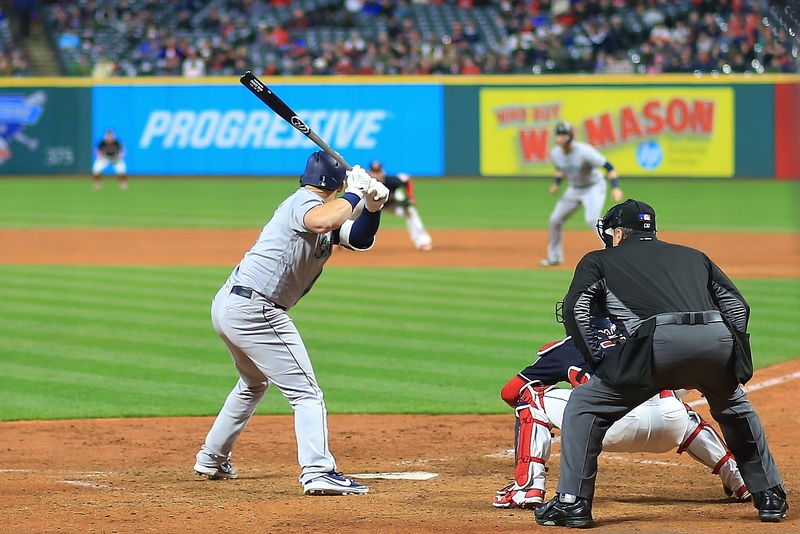
Losing is an inevitable part of sports, but for Major League Baseball players, enduring a lengthy losing streak can be particularly grueling. With a staggering 162-game season, the toll of defeat can weigh heavily on athletes. Jamie Moyer, a decorated starter and former All-Star, captures this sentiment with a vivid metaphor: “It’s like pulling a tractor trailer with no tires behind you all season. It’s just heavy!”
Moyer’s extensive career, which included a stint with the record-setting 2001 Seattle Mariners, has given him a front-row seat to the highs and lows of the game. He notes that winning can often mask a team’s flaws, while losing lays them bare. “When you’re not playing well, having a tough season, whether it’s individually or as a team, things tend to rear their ugly heads a little differently,” he says, reflecting on the challenges that arise in tough times.
Casual fans may believe that a well-timed home run or a dramatic ninth-inning rally can shift a losing season, but Moyer emphasizes that the solution often lies in the subtler aspects of the game. For instance, he recalls instances where a teammate’s lack of hustle on a ground ball prompts a confrontation. “Somebody might grab somebody and take them down into the tunnel. I’ve seen it happen a lot of different ways,” he explains, illustrating the tensions that can bubble up among players under pressure.
Moyer’s experiences reveal that the emotional landscape of a losing season is complex. After witnessing a teammate jog to first base, he has seen players confront each other in the dugout, leading to heated exchanges or immediate disciplinary actions from managers. Such moments of accountability are crucial in maintaining team morale during difficult stretches.
In the unpredictable world of baseball, myriad factors influence game outcomes, including talent, chemistry, and even the weather. For Moyer, success hinges on focusing on what can be controlled. He recalls moments in his career where he faced the pressure of a losing streak and reminded himself, “Hey, pal, it’s on you tomorrow. If you want to contribute to your team, wow, what a great time to do it.” This internal dialogue reflects the mental resilience required to navigate a long season.
Former All-Star catcher Alex Avila echoes Moyer’s sentiments, emphasizing the importance of mental fortitude. “It’s easy to fall in a trap of feeling sorry for yourself, feeling sorry for the team when things are going poorly,” Avila warns. He encourages players to remember their elite status in the league, reminding them that even in the toughest times, they are capable of turning their fortunes around.
Avila, whose experience includes years with the Detroit Tigers, understands that even when playoff aspirations fade, there are still personal milestones to pursue. “There were some years that by the middle or end of the season we knew we weren’t in contention. And that’s a difficult pill to swallow,” he admits, but he stresses the importance of continuing to strive for improvement and development.
Throughout his career, Avila has been proactive in fostering team unity, often initiating informal player-only meetings to address struggles. He notes, “We’d have player-only team meetings. Not something formal or announced. It’s just that we had a tough game and now six or seven of us are in the clubhouse figuring out what we need to do, how we can change it.” These gatherings serve as a reminder that collaboration and communication are vital, even in challenging situations.
The baseball season is a marathon, as Moyer aptly describes it, with teams like the Mariners and New York Mets grappling with painful losing stretches. However, others, such as the Tigers and Boston Red Sox, have turned tough starts into successful summers. Moyer reflects on the valuable lessons learned from his time with the Phillies under manager Charlie Manuel, who often engaged players in casual conversations to bolster morale. “He would pull players aside or talk to you early in the afternoon at the ballpark. Like, ‘Hey, how you doing?”
For Moyer, the struggles of previous seasons laid the groundwork for the Phillies’ success in 2008. “Failure propelled us into ’08,” he says, highlighting the importance of learning from adversity. Maintaining a positive mindset is crucial, especially during a difficult year. “I’m not thinking about losing. Whether you believe it or not, I have to believe I’m going to be successful,” he insists.
As players navigate the rigors of travel, workouts, and the daily grind of a long season, Moyer encourages them to keep perspective. “I liken it to somebody working in a mill. You can’t compare playing baseball to putting out a fire or operating on a human being. I didn’t look at it as drudgery.” This veteran mentality can be the lifeline that keeps a team afloat amid turbulent waters.
Ultimately, while some seasons may be defined by losses, the spirit of perseverance remains paramount. Avila concludes, “A season is long – 162 games is a lot. You never really know how to navigate it until you actually have to go through it. It’s a grind. But it’s a great grind.”
Note: This recap is an independently written summary based on publicly available reporting.