 PHI
PHI  BUF
BUF  FLA
FLA  OTT
OTT  ATL
ATL  ORL
ORL  MIL
MIL  WAS
WAS  MIN
MIN  MIA
MIA  CHA
CHA  BKN
BKN  CHI
CHI  TOR
TOR  UTA
UTA  MEM
MEM  IND
IND  NOP
NOP  DAL
DAL  HOU
HOU  GSW
GSW  LAL
LAL  PHX
PHX  POR
POR  SAC
SAC  LAC
LAC  NSH
NSH  BOS
BOS  NYR
NYR  TOR
TOR  SJ
SJ  ANA
ANA  NJ
NJ  PIT
PIT  LA
LA  NYI
NYI  VGK
VGK  STL
STL  WPG
WPG  DAL
DAL  MIN
MIN  CGY
CGY  CAR
CAR  EDM
EDM  UTA
UTA  SEA
SEA  DET
DET  VAN
VAN  NE
NE  CHI
CHI  CLE
CLE  PHI
PHI  DEN
DEN  OKC
OKC 

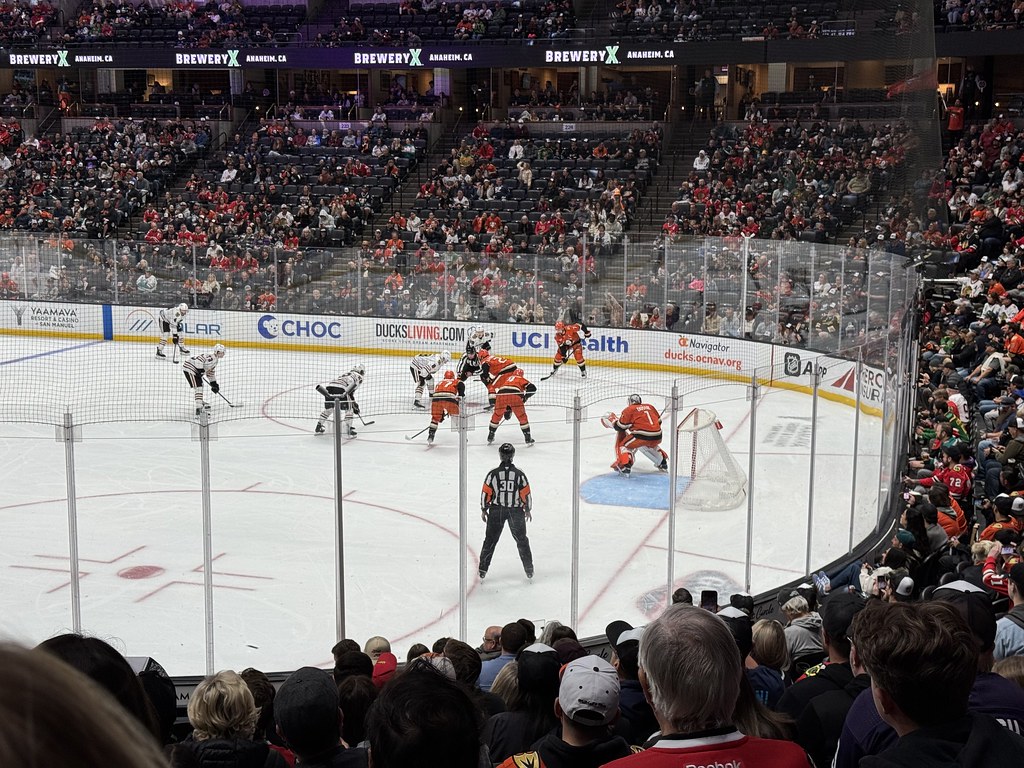
The 2026 offseason for the Anaheim Ducks has not unfolded as general manager Pat Verbeek and his front office had envisioned. With hopes of re-signing three high-profile restricted free agents—Leo Carlsson, Cutter Gauthier, and Pavel Mintyukov—while also adding a star player to strengthen their roster, the Ducks entered free agency with considerable cap space. However, the reality has proven to be quite different.
During the draft, Verbeek made strategic moves, trading young roster players Mason McTavish and Olen Zellweger for two first-round picks (Nikita Klepov and Marcus Nordmark) and a second-round pick (Jayden Kurtz), along with Anton Wahlberg. The Ducks quickly added depth pieces to their roster when free agency opened, signing AJ Greer, Nick Jensen, Jeff Malott, and Laurent Brossoit. However, a significant moment came on July 3 when the Philadelphia Flyers extended a historic five-year, $90 million offer sheet to Ducks franchise center Leo Carlsson. The Ducks responded by signing defenseman Pavel Mintyukov to a five-year contract worth $7.2 million AAV just two days later. Ultimately, on July 9, they matched Carlsson’s offer sheet.
Despite these moves, the Ducks face a challenging cap situation as they look to fit Gauthier’s upcoming extension under the ceiling. As it stands, the roster appears largely unchanged from last season, set to hit the ice for the 2026-27 season opener on October 2. Yet, many observers question the current team’s depth and experience compared to the squad that faced off against the Edmonton Oilers in the first round of the previous playoffs.
The most pressing concern lies on the right side of the blueline. The Ducks have lost all three starters from Game 1 of the playoffs: Jacob Trouba, John Carlson, and Radko Gudas, all of whom signed with other teams on July 1. Trouba, a top-pair defenseman, was a vital part of the Ducks’ playoff strategy, often paired with star Jackson LaCombe. Carlson, acquired at the trade deadline, made an immediate impact with 14 points in 16 regular-season games and was a significant contributor on the power play. Gudas, who served as the team captain for two of his three seasons in Anaheim, played a crucial role in the team’s leadership and physical play.
In the wake of these departures, the Ducks are expected to fill the void on the blueline with Drew Helleson, Ian Moore, Nick Jensen, and rookie Tristan Luneau. While some may perceive this as a substantial downgrade, the reality of the situation is more nuanced. Trouba logged the second-most time on ice for the Ducks last season and was a stalwart on the penalty kill. Carlson’s offensive contributions were critical, while Gudas provided emotional leadership and physicality.
Despite their impressive resumes, the trio’s advancing age and the need for substantial contracts this offseason raised questions about their fit within the Ducks’ evolving style of play. The Ducks are shifting towards a faster, more dynamic game, emphasizing offensive rush sequences, a style that may not align with the slower pace of their veteran defensemen.
As the Ducks look ahead, they will rely heavily on their younger players to step up. LaCombe, now the de facto No. 1 defenseman, will need to lead the charge. Mintyukov, entering his fourth NHL season, is expected to take on a more significant role, having demonstrated flashes of offensive potential but needing to find consistency. Hinds, who has more playoff experience than regular season experience, brings reliability and physicality, while Helleson’s first full season was a mixed bag of performances.
Moore, initially on track to be a standout defenseman, found his role shifted to a fourth-line winger, complicating his development. Jensen, a veteran presence, will need to guide the younger defensemen as they navigate the challenges ahead. Luneau, the wildcard of the group, possesses the tools to become a top-pair defender but must continue to develop and remain healthy.
The Ducks also have Stian Solberg and Noah Warren poised to step in if needed, both ready for their NHL debuts after several years in professional hockey. While the blueline may appear bleak on paper, the Ducks have an opportunity to improve upon last season’s struggles. The previous group contributed to the Ducks finishing as the NHL’s 28th-ranked defensive team in terms of expected goals against per 60 minutes and 29th in goals against per game. The hope is that the new personnel will not only fit better stylistically but also elevate the team’s performance.
As the Ducks gear up for the new season, the focus will be on fostering the development of their young core and ensuring they can rise to the occasion. The upcoming season poses significant challenges, but the potential for growth and improved performance is very much within reach.
Note: This recap is an independently written summary based on publicly available reporting.