 PIT
PIT  COL
COL  BOS
BOS  ANA
ANA  MIA
MIA  ORL
ORL  BOS
BOS  PHI
PHI  TOR
TOR  DET
DET  MIL
MIL  IND
IND  ATL
ATL  DAL
DAL  SAC
SAC  SAS
SAS  CHA
CHA  MEM
MEM  WAS
WAS  NOP
NOP  MIN
MIN  CHI
CHI  POR
POR  GSW
GSW  UTA
UTA  PHX
PHX  DEN
DEN  LAL
LAL  NJ
NJ  WSH
WSH  CAR
CAR  WPG
WPG  VAN
VAN  TB
TB  SEA
SEA  FLA
FLA  NYI
NYI  TOR
TOR  BUF
BUF  MTL
MTL  SJ
SJ  DET
DET  OTT
OTT  PHI
PHI  NYR
NYR  CBJ
CBJ  DAL
DAL  CHI
CHI  STL
STL  NSH
NSH  LA
LA  EDM
EDM  UTA
UTA  VGK
VGK 

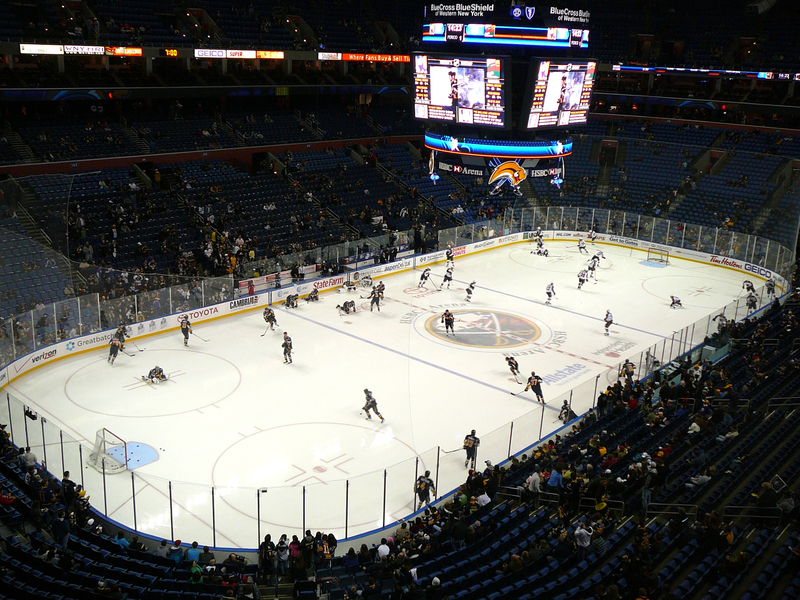
The Buffalo Sabres have emerged from a lengthy postseason drought, clinching the Atlantic Division title and advancing to the second round of the Stanley Cup Playoffs. However, following a busy offseason that included the departures of Bowen Byram and Alex Tuch, the challenge of repeating as division champions or securing a top-three finish in the Atlantic has become significantly more daunting.
This week, we turn our attention to the other seven teams in the Atlantic Division to evaluate their standings compared to the end of last season and how they might pose a challenge to the Sabres as the new season approaches.
The Detroit Red Wings appeared to be on track for a playoff spot before the Olympic break, but their fortunes shifted dramatically with an injury to team captain Dylan Larkin in March. This setback contributed to a disappointing 8-12-4 record in the closing months of the season, ultimately pushing them out of the postseason contention. As the Wings continue their slow rebuild under Steve Yzerman, Larkin’s request for a trade underscores the challenges ahead, compounded by Yzerman’s recent decision to step down as General Manager.
In terms of roster changes, the Red Wings made some notable additions. Viktor Arvidsson signed a two-year, $10 million deal after a solid season with Boston, while Keegan Kolesar was acquired from Vegas in exchange for two draft picks, bringing a $2.5 million annual cap hit for the next two years. Daniil Tarasov also joined the team on a one-year, $2 million contract to serve as a backup to starter John Gibson.
On the flip side, the Red Wings faced significant losses with the departures of Patrick Kane, who contributed 57 points last season, and James van Riemsdyk, who netted 15 goals in 72 games. These changes leave the team in a precarious position.
Looking ahead, the Red Wings boast a promising young core featuring Moritz Seider and Simon Edvinsson on defense, along with Lucas Raymond up front. However, they still lack the depth and firepower needed to support these emerging stars. The Yzerplan has brought in young talent such as Michael Brandsegg-Nygard, Marco Kasper, Axel Sandin-Pellika, and Emmitt Finnie, but unlike the Sabres, they have yet to secure the foundational pieces necessary for a successful rebuild.
In terms of goaltending, the Red Wings may have a slight edge with Gibson and Tarasov, though Gibson’s injury history raises concerns. Defensively, the Sabres may have been impacted by Byram’s exit but still possess greater depth and talent compared to Detroit. Offensively, the Sabres are significantly stronger overall.
Even if Larkin remains with the team, the Red Wings seem poised for another challenging season, likely finding themselves near the bottom of the Atlantic Division standings.
Follow Michael on X, Instagram @MikeInBuffalo
Note: This recap is an independently written summary based on publicly available reporting.