 BUF
BUF  TOR
TOR  NYI
NYI  OTT
OTT  SEA
SEA  TB
TB  VAN
VAN  FLA
FLA  NYR
NYR  NJ
NJ  PHI
PHI  DET
DET  WPG
WPG  CHI
CHI  SJ
SJ  NSH
NSH  STL
STL  MIN
MIN  UTA
UTA  EDM
EDM  CGY
CGY  VGK
VGK  SEA
SEA  DEN
DEN  TOR
TOR  NYK
NYK  OKC
OKC  HOU
HOU  PIT
PIT  COL
COL  BOS
BOS  ANA
ANA  MIA
MIA  ORL
ORL  BOS
BOS  PHI
PHI  DET
DET  MIL
MIL  IND
IND  ATL
ATL  DAL
DAL  SAC
SAC  SAS
SAS  CHA
CHA  MEM
MEM  WAS
WAS  NOP
NOP  MIN
MIN  CHI
CHI  POR
POR  GSW
GSW  UTA
UTA  PHX
PHX  DEN
DEN  LAL
LAL  WSH
WSH  CAR
CAR  MTL
MTL  CBJ
CBJ  DAL
DAL  LA
LA 

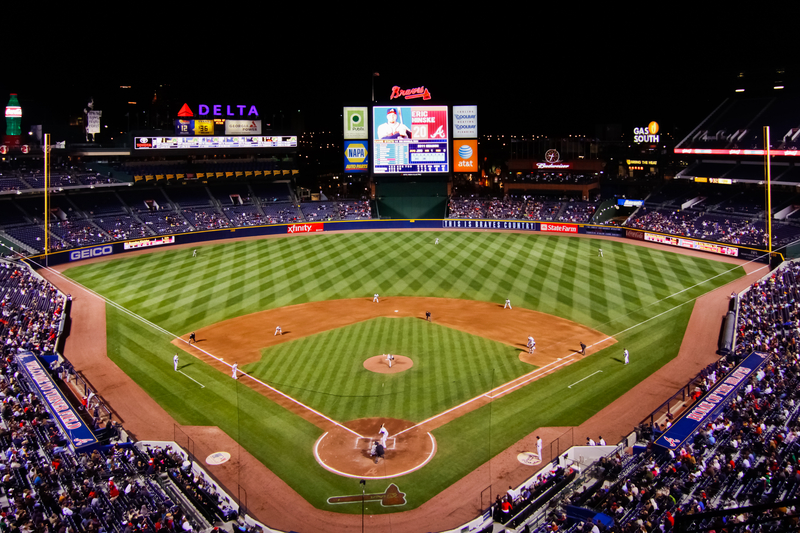
The 2026 MLB Draft has concluded, and the Atlanta Braves have emerged with a promising batch of talent that fans and analysts alike are eager to follow. This year’s draft was particularly significant for the Braves, as they held their highest pick since 2019, coupled with an additional selection thanks to the Prospect Promotion Incentive, providing them with a substantial bonus pool to distribute among their draftees.
Leading the charge is AJ Gracia, the 9th overall pick, who is projected to command a high bonus. However, he is expected to sign for considerably less than the slot value typically associated with such a high pick, allowing the Braves to allocate funds to a number of high school prospects they are keen on. Another notable selection is Carter Beck, taken at 26th overall. Beck is guaranteed a minimum bonus of $2,684,100 due to draft combine regulations, but his total is not expected to exceed that amount significantly.
The Braves’ strategy appears to be focused on leveraging their bonus pool effectively. With seven high school players selected in the later rounds, many are anticipated to receive over-slot bonuses. Among these prospects are Kaiden McCarthy, Jensen Hirschkorn, and Cole Dennis, who are expected to secure substantial deals. Additionally, Ryne Barker, selected in the 11th round, poses a challenge for the Braves as he is committed to Texas Tech, while 13th round pick Cole Dorland is considering Alabama. The Braves are optimistic about signing all 21 players drafted, given their calculated approach.
As the Braves navigate the signing process, they typically operate swiftly, with announcements expected within the next two weeks. Fans can look forward to updates and rumors leading up to the official announcements from the organization. The deadline for all signings is set for July 27th at 5:00 PM ET.
For those new to the MLB draft process, it’s important to note that the signing structure is distinct from other sports leagues. Each draft pick carries a specific value, and the total amount allocated across all selections is governed by a team’s bonus pool. For the first ten rounds, every dollar spent counts against this pool. For picks beyond the tenth round, a signing bonus of $150,000 is exempt from the pool, with any excess amount counting towards it.
To maximize their budget, the Braves often target players who will sign for less than their slot value, including senior college players in the middle rounds. This year, they have employed a similar strategy, offering smaller bonuses to entice younger players away from college commitments, a challenge that has intensified in the current NIL era.
Additionally, the Braves utilize a contingency bonus structure, which allows a portion of the signing bonus to not count against the bonus pool. This accounting technique enables the team to report figures that strategically keep them under the 5% overage threshold, which can otherwise incur penalties in future drafts.
Looking ahead, the Braves are likely to have already secured agreements with their top picks, making it highly probable that the majority of their selections will sign. In the rare event that a player from the top ten rounds opts not to sign, the team faces the loss of slot value from their pool. However, given the Braves’ focus on college players in the early rounds, they are well-positioned to avoid any significant complications that could jeopardize their draft strategy.
For a deeper dive into each drafted player, fans are encouraged to check out the detailed analysis provided by our draft expert, Matt Powers, who consistently delivers outstanding coverage during this crucial time of year.
Note: This recap is an independently written summary based on publicly available reporting.