 VGK
 EDM
 DET
 ORL
 BOS
 WAS
 DAL
 DEN
 Houston Dynam…
 San Jose Eart…
 KENT
 EMU
 M-OH
 WMU
 MISS
 19 BYU
 9 TENN
 MD
 17 MIA
 TCU
 PROV
 8 ARIZ
 MILW
 3 FLA
 14 VAN
 OSU
 JAX
 23 IU
 5 TTU
 25 LOU
 BAY
 15 ALA
 ORE
 13 SJU
 22 GONZ
 KSU
 WRST
 SBU
 OHIO
 NMSU
 BEL
 AKR
 SELA
 UNCO
 SUU
 FIU
 STO
 UIC
 RICE
 OU
 PITT
 SF
 ORST
 APP
 YALE
 UND
 DETM
 ARST
 LBSU
 NHVN
 LIN
 ILST
 TLSA
 NAVY
 BBU
 WAG
 QUIN
 WYO
 SDSU
 ISU
 CREI
 MICH
 SHU
 RUTG
 USI
 VMI
 MER
 FAU
 QUC
 WOF
 KENN
 DEP
 PUR
 RMU
 LAM
 ELON
 FUR
 PRES
 HAMP
 ODU
 TAR
 WEB
 BRY
 MRST
 COPP
 VILL
 RID
 L-MD
 GASO
 BELL
 DSU
 UTC
 MSM
 MORG
 UNH
 HALL
 CAM
 CCU
 UMBC
 IOWA
 UVM
 SIE
 BU
 HARV
 SAM
 GT
 MERC
 STET
 USF
 SCU
 NEV
 CHSO
 JMU
 BING
 LEH
 GWEB
 BGSU
 ETAM
 PFW
 SEMO
 ALCN
 LT
 HCU
 ULM
 WGA
 TNTC
 FAMU
 USA
 LR
 ORU
 UTA
 AAMU
 UNA
 CLEM
 WASH
 DREX
 PENN
 GB
 KC
 LIP
 AUB
 ARMY
 AF
 CMU
 ND
 UL
 BUCK
 COR
 DUQ
 HPU
 SHSU
 WSU
 UNCG
 UCSB
 IDST
 BOIS
 EVAN
 MIZ
 UTEP
 COFC
 UNCA
 FSU
 SLU
 GCU
 VCU
 CSU
 COLO
 STAN
 WPG
 BOS
 NYR
 BUF
 CAR
 TB
 OTT
 FLA
 STL
 NYI
 CGY
 PIT
 PHI
 WSH
 NJ
 CBJ
 VAN
 DET
 NSH
 DAL
 UTA
 MIN
 MTL
 COL
 CHI
 SEA
 SJ
 ANA
 GB
 LA
 MIA
 PHI
 CHI
 CHA
 CLE
 NYK
 MIN
 OKC
 LAC
 MEM
 BKN
 MIL
 PHX
 HOU
 SAC
 GSW
 SAS
 POR
 20 LSU
 ASU
 SC
 18 USC
 JKST
 OKST
 UTU
 GRAM
 NOLA
 PRIN
 LIB
 GAST
 FGCU
 PV
 MRSH
 TA&M
 XAV
 2 UVA
 MARQ
 SOU
 21 NEB
 24 MEM
 PSU
 10 CONN
 16 DUKE
 UNI
 CLT
 FOR
 JOES
 FDU
 STBK
 AIC
 URI
 EKU
 TULN
 DAV
 UAPB
 SDAK
 MNTT
 WCU
 SPU
 COLU
 UNF
 MAN
 NJIT
 ACU
 SDST
 BRWN
 PRST
 UCR
 TXST
 HC
 DART
 UWF
 NWST
 CSUN
 BCU
 RICH
 UALB
 SYR
 UPST
 CIT
 CWRU
 CLE
 NKU
 NIU
 SIUE
 STMN
 UNCW
 LONG
 GMU
 SMU
 USU
 NORF
 NCSU
 NE
 WIS
 WAKE
 MSST
 CSUB
 PEPP
 OMA
 UCD
 NWIC
 MTST
 MVSU
 UNM
 EWU
 LMU
 PAC
 JXST
 UIW
 HAW
 GTWN
 7 TEX
 ARK
 11 MSU
 SMC
 6 UCLA
 UGA
 CIN
 UTSA
 BC
 UCF


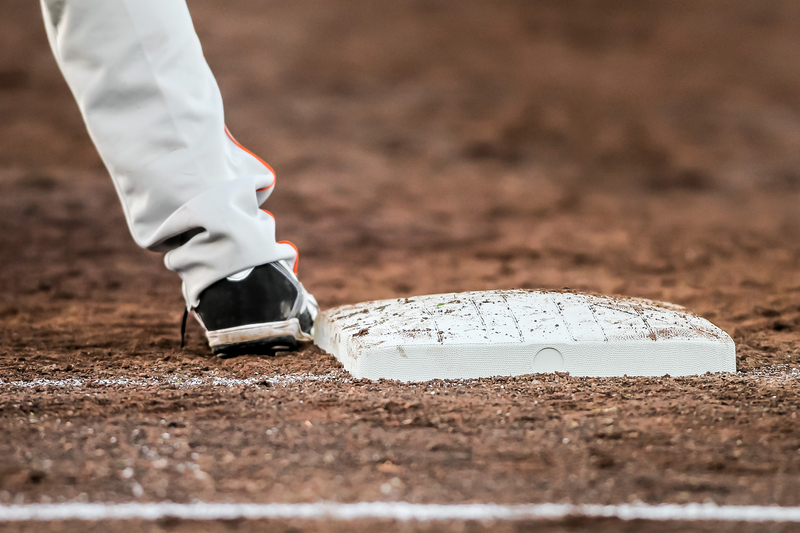
As Spring Training progresses, the Cardinals are making a strong impression with a winning record, showcasing promising prospects, and, importantly, steering clear of serious injuries. This year marks the first time all spring games have been tracked by Statcast, offering fans and analysts a wealth of data to dissect as the regular season approaches. Today, we dive into some early Statcast indicators to identify Cardinals players who may be exhibiting meaningful changes, keeping in mind the small-sample-size caveats that accompany spring training statistics.
Contrary to offseason discussions, manager Oli Marmol has been vocal about viewing the pitching staff as the Cardinals’ strength. Early Statcast numbers lend credence to that optimism. Notably, Dustin May and Richard Fitts have arrived at camp with fastballs averaging over 97 MPH, clocking in at 97.7 and 97.4 MPH, respectively. Matthew Liberatore has maintained a solid velocity around 94 MPH on both his fastball and sinker, showcasing impressive overall performance. Kyle Leahy, transitioning from the bullpen to the rotation, has seen a slight dip of 1.5 MPH in his velocity as he adjusts. Meanwhile, Andre Pallante has ramped up from the low 90s to 94 MPH in his latest outing, indicating no cause for concern. However, Michael McGreevy’s fastball has declined by nearly 2 MPH over his last two starts, raising flags as he lacks the fastball shape to manage such a drop effectively. On a brighter note, prospect Quinn Mathews has kept his velocity steady, consistently sitting in the 94-95 MPH range.
In terms of swing-and-miss ability, Liberatore has quietly emerged as a standout performer this spring, boasting an impressive 14/1 K/BB ratio over 10 innings. Recently, Eno Sarris highlighted the Stuff+ pitching leaders among starters this spring, underscoring Liberatore’s potential. If the improvements displayed by both Liberatore and Fitts sustain, it could signal a significant development for the Cardinals’ pitching staff, which has not seen a starting pitcher surpass a Stuff+ rating of 107 since the statistic’s introduction in 2020. Liberatore’s success is reflected in his ability to generate the second-lowest contact rate in baseball this spring, with batters making contact on just 60% of their swings against him. Another lefty, Brycen Mautz, ranks fourth in the league with a 61% contact rate, and although he has had success with his fastball, his slider has proven nearly unhittable, inducing swings and misses almost half the time. Mathews also showcases impressive swing-and-miss potential, with a contact rate around 66%. For context, the league-wide contact rate is 77%, and starting pitchers typically aim for around 70% to be in the elite category. As the season unfolds, Leahy’s contact rate will be crucial to monitor, especially since he has historically struggled to miss bats despite having strong stuff.
On the offensive side, outfield prospect Joshua Baez and infielder Nolan Gorman have both shown promise this spring, albeit through different means. Baez made a splash in his limited Spring Training appearances, hitting three home runs and posting a slash line of .333/.417/.762 in 24 plate appearances. He demonstrated his ability to drive the ball, hitting four of his 15 batted balls at over 100 MPH, a crucial metric for translating power to in-game performance. Although his strikeout rate was an acceptable 25%, his contact rate of 59% raises concerns, especially when compared to the lowest contact rate among qualified major leaguers last season, which was 67.6% by Aaron Judge. While 24 plate appearances is insufficient for stabilization, Baez’s performance has further fueled the debate regarding his future potential in the majors. If he can maintain a contact rate in the mid-70s as he moves up to Memphis, he could become a significant asset.
Nolan Gorman, on the other hand, has battled a career strikeout rate of 34%, but this spring, he has impressively fanned in only 12.9% of his plate appearances. Whether this is merely a small-sample-size anomaly or a genuine adjustment remains to be seen. Examining Gorman’s rolling average K% over his career reveals that he hasn’t experienced a stretch like this in over two years. While it’s difficult to draw definitive conclusions at this stage, Gorman’s improved contact ability could unlock more power for him, potentially providing the Cardinals with the offensive spark the lineup has been missing.
Note: This recap is an independently written summary based on publicly available reporting.