 TOR
TOR  BAL
BAL  WSH
WSH  DET
DET  MIN
MIN  SF
SF 
 PHI
PHI  WSH
WSH  DET
DET  CBJ
CBJ  BUF
BUF  PIT
PIT  NYR
NYR  NJ
NJ  OTT
OTT  MTL
MTL  COL
COL  WPG
WPG  MIN
MIN  CHI
CHI  STL
STL  DAL
DAL  NYG
NYG  LA
LA  TB
TB  NYY
NYY  STL
STL  PIT
PIT  MIL
MIL  PHI
PHI  CLE
CLE  BOS
BOS  CIN
CIN  ATL
ATL  MIA
MIA  CHC
CHC  CHW
CHW  KC
KC  NYM
NYM  TEX
TEX  ARI
ARI  COL
COL  LAA
LAA  OAK
OAK  HOU
HOU  SEA
SEA  SD
SD  LAD
LAD  BOS
BOS  NYI
NYI  FLA
FLA  CAR
CAR  EDM
EDM  TB
TB  NSH
NSH  VAN
VAN  CGY
CGY  UTA
UTA  LA
LA  VGK
VGK  SJ
SJ  TOR
TOR  ANA
ANA 

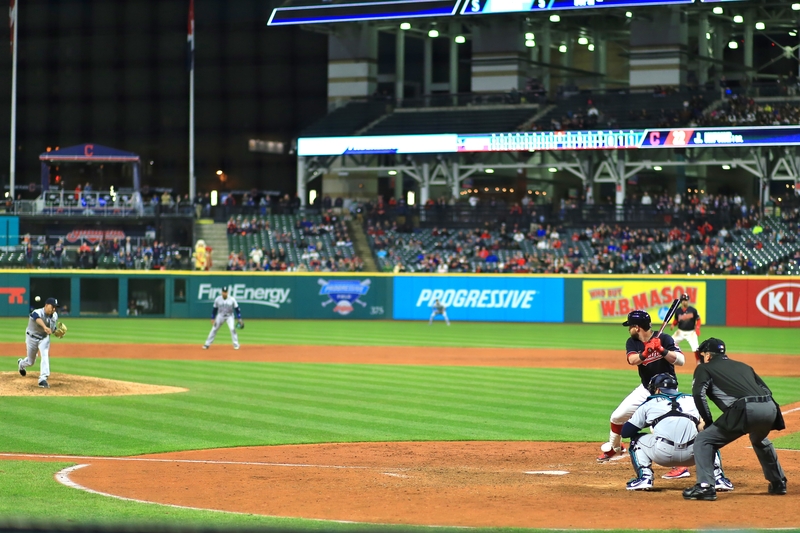
Corey Kluber has long been a cornerstone of Cleveland baseball. As a two-time Cy Young winner, his legacy intertwines with the Guardians, second only to José Ramírez in the hearts of fans. Now back with the team as an advisor, Kluber’s influence is palpable, particularly through the development of the cutter among the pitchers in the Guardians’ rotation.
Gavin Williams, a pitcher I’ve closely followed, is a prime example of this evolution. After a challenging start last season, he integrated his cutter into his repertoire, a decision that paid dividends. Initially, his cutter resembled a deadened four-seamer, allowing him to maintain a similar grip while reducing arm-side movement. This adjustment was crucial; Williams struggled with his fastball command, leading the league in walk rate in 2025. However, his newfound confidence in the cutter not only lowered his walk rate but also enhanced the effectiveness of his fastball. The results were striking: his barrel rate dropped from 15.7% to 11%, demonstrating a significant improvement in his performance.
This season, Williams has elevated his cutter game further, adding a formidable sinker to his arsenal. While the focus during Spring Training leaned towards the sinker, his cutter displayed pronounced arm-side run and a slight adjustment in his arm slot. In a standout performance against the Dodgers, Williams struck out ten batters over seven innings, showcasing his cutter’s effectiveness. This season, his cutter has gained additional horizontal movement, contributing to a remarkable 75% zone rate. When ahead in counts, he has limited opponents to a .136 average and a 32.1% whiff rate, ranking him alongside the best in the league.
Meanwhile, Tanner Bibee’s journey has taken a different path. Last season, he relied heavily on a sweeper that garnered high Stuff+ ratings but struggled to find the strike zone consistently. In 2026, he has transitioned to a slider, a shift that reflects a broader overhaul of his pitching strategy. The new slider has distinct characteristics, allowing Bibee to utilize it more effectively against right-handed hitters. His slider has achieved a chase rate of 44.4% and a whiff rate of 36.8%, significantly improving his performance in two-strike counts.
Additionally, the Guardians have welcomed new talent in Slade Cecconi and Parker Messick, both of whom are developing their cutters. Cecconi has shown promise with improved horizontal movement on his sweeper, creating a reliable strike-throwing pitch against lefties and a weapon against righties. Although still refining his cutter, Messick’s early attempts against the Dodgers indicate potential for strategic evolution in his game.
The cutter has emerged as a vital pitch for the Guardians, and under Kluber’s mentorship, the pitching staff is embracing this trend. As the season unfolds, the impact of the cutter will be fascinating to monitor, with Kluber, Carl Willis, and Brad Goldberg playing pivotal roles in this new chapter for Cleveland’s pitchers.
Note: This recap is an independently written summary based on publicly available reporting.