 PHI
PHI  NYM
NYM  KC
KC  PIT
PIT  CHC
CHC  CIN
CIN  OAK
OAK  CLE
CLE  BOS
BOS  TB
TB  DET
DET  CHW
CHW  ATL
ATL  HOU
HOU  WSH
WSH  STL
STL  TOR
TOR  TEX
TEX  SEA
SEA  COL
COL  MIN
MIN  LAA
LAA  NYY
NYY  ARI
ARI  SF
SF  LAD
LAD  MIA
MIA  SD
SD  MIL
MIL  BAL
BAL 
 NYI
NYI  NJ
NJ  SJ
SJ  ANA
ANA  WSH
WSH  BOS
BOS  NSH
NSH  TB
TB  UTA
UTA  COL
COL  CAR
CAR  FLA
FLA  SEA
SEA  CGY
CGY  CAR
CAR  ATL
ATL  MIN
MIN  CHI
CHI  PHI
PHI  TEN
TEN  PIT
PIT  NE
NE  GB
GB  NYJ
NYJ  CLE
CLE  TB
TB  NO
NO  BAL
BAL  CIN
CIN  HOU
HOU  JAX
JAX  DEN
DEN  LV
LV  LAC
LAC  WAS
WAS  DAL
DAL  SEA
SEA  ARI
ARI  MIA
MIA  SF
SF  IND
IND  KC
KC  PHI
PHI  DET
DET  CBJ
CBJ  BUF
BUF  PIT
PIT  NYR
NYR  OTT
OTT  MTL
MTL  WPG
WPG  MIN
MIN  CHI
CHI  STL
STL  DAL
DAL  NYG
NYG  LA
LA 

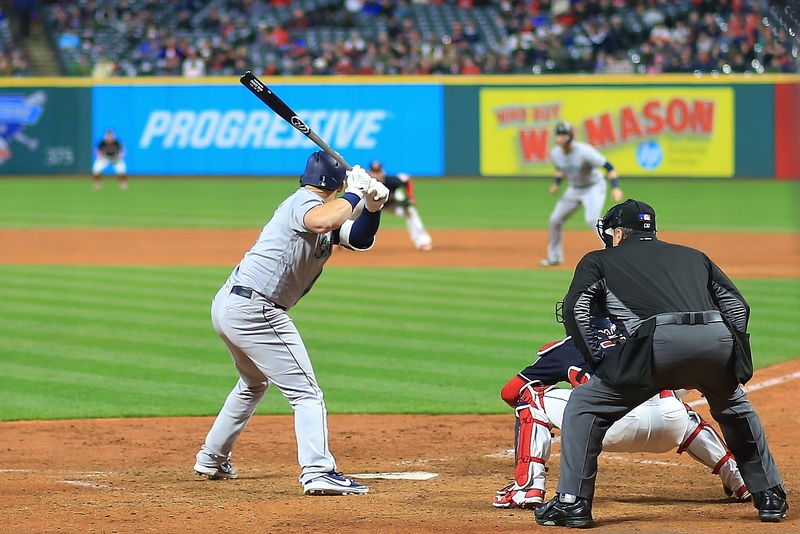
The conversation surrounding Shohei Ohtani often transcends mere statistics; it’s about the wonder of his capabilities and the question of whether there’s a ceiling for a player who seems to redefine greatness. Yet, as the games progress and his at-bats have become quieter, some fans and analysts are starting to ponder a pressing question: Has Ohtani plateaued?
It feels almost sacrilegious to suggest that a player capable of throwing 100 mph fastballs while routinely knocking balls over 400 feet could have reached his peak. Ohtani has accomplished feats that no player has achieved before, including a historic 50-homer, 50-steal season and delivering one of the most memorable performances in World Series history. But as he continues to navigate the demands of being a two-way player, the question lingers.
Ohtani’s ability to adapt to the circumstances he faces is remarkable. For instance, after undergoing Tommy John surgery, he shifted his focus and stole 59 bases while hitting 54 home runs, making history with the first 50-50 season in MLB. Now, as he approaches his 32nd birthday, the narrative of his career prompts reflection on whether we’ve seen the apex of his hitting prowess.
Consider Ohtani’s recent seasons akin to an art gallery. His offensive output in 2023 and 2024 stands out, with 2023 marking career highs in on-base percentage, slugging percentage, and OPS, alongside stellar pitching performance. The following year, while recovering from elbow surgery, he hit 54 homers and drove in 130 runs, maintaining a high level of production despite the challenges.
Even after offseason shoulder surgery, Ohtani managed to hit a career-best 55 home runs in 2024, leading the majors in total bases. However, his performance in the current season has raised eyebrows. His slugging percentage of .442 is the lowest of his eight full seasons, and he’s on pace for less than 30 home runs for the first time since 2019.
Despite early struggles, including a recent 0-for-18 slump, Ohtani’s underlying metrics reveal gradual declines. His exit velocity and hard-hit percentage have dipped, and the adjustments to his batting technique have led to a decrease in bat speed. The Dodgers have opted to rest him on days he pitches, a decision that highlights the balancing act between his dual roles.
On the pitching front, Ohtani has been impressive, leading the majors in ERA and WHIP. He’s throwing his fastball harder and more frequently, reducing reliance on a sweeper that had previously been a staple of his repertoire. His recent performances, including a seven-inning outing, showcase his potential to excel as a pitcher, even if he may not reach the same strikeout numbers as in previous seasons.
As Ohtani continues to develop in this new phase of his career, the possibility of him adding a Cy Young Award to his accolades becomes more tangible. The duality of his skill set remains captivating, with his ability to manage his energy and output on the field. While some may speculate whether he has peaked, it’s essential to recognize the evolution of his game.
With a contract extending through 2033, Ohtani’s journey is far from over. The key factors moving forward will be his arm health and how he adapts to the physical demands of being both a pitcher and hitter. Though age may eventually take some athletic attributes, the prospect of him continuing to hit towering home runs remains a tantalizing possibility.
As he progresses into his mid-30s, the baseball world eagerly anticipates what Ohtani will deliver next. Even if his absolute best may be behind him, the surprises he brings year after year ensure that his story is far from finished.
Note: This recap is an independently written summary based on publicly available reporting.