 BUF
BUF  TOR
TOR  NYI
NYI  OTT
OTT  SEA
SEA  TB
TB  VAN
VAN  FLA
FLA  NYR
NYR  NJ
NJ  PHI
PHI  DET
DET  WPG
WPG  CHI
CHI  SJ
SJ  NSH
NSH  STL
STL  MIN
MIN  UTA
UTA  EDM
EDM  CGY
CGY  VGK
VGK  SEA
SEA  DEN
DEN  TOR
TOR  NYK
NYK  OKC
OKC  HOU
HOU  PIT
PIT  COL
COL  BOS
BOS  ANA
ANA  MIA
MIA  ORL
ORL  BOS
BOS  PHI
PHI  DET
DET  MIL
MIL  IND
IND  ATL
ATL  DAL
DAL  SAC
SAC  SAS
SAS  CHA
CHA  MEM
MEM  WAS
WAS  NOP
NOP  MIN
MIN  CHI
CHI  POR
POR  GSW
GSW  UTA
UTA  PHX
PHX  DEN
DEN  LAL
LAL 

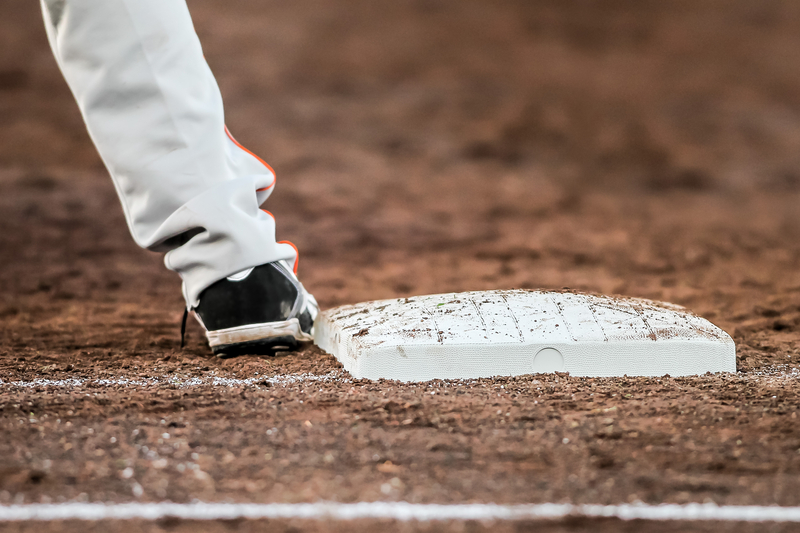
Jordan Walker’s journey from a young Braves fan in suburban Atlanta to a Home Run Derby champion is a testament to the power of representation in baseball. As a child, Walker idolized Chipper Jones but found a new role model in Jayson Heyward, whose debut with the Braves in 2010 sparked Walker’s desire to play the game at the highest level. “As soon as Jayson Heyward debuted, I was like, oh yeah, that’s the guy. That’s who I want to be like,” Walker recalled, emphasizing the importance of having relatable figures in the sport.
Walker’s recent triumph in the Home Run Derby, where he hit six home runs in a thrilling showdown against Phillies slugger Kyle Schwarber, was more than just a personal achievement. It was a moment he hopes can inspire young Black athletes to pursue baseball. “For Black kids, I want to kind of be a role model for them, like he was for me,” Walker stated, reflecting on the legacy he aims to create.
With each powerful swing of his customized Iron Man bat, the 24-year-old Walker captivated the crowd, turning boos into cheers as he showcased his talent on a national stage. He exuded a charismatic energy reminiscent of Hall of Famer Ken Griffey Jr., donning his Cardinals cap backward and flashing his champions’ chain, awarded by Ryan Howard. Even Barry Bonds, the all-time home run king, acknowledged Walker’s accomplishment, saying, “you got my trophy, too.” The sentiment meant the world to Walker, who is now seen as a beacon for a new generation of Black talent in baseball.
Walker is part of a modest resurgence of Black players in Major League Baseball. With the numbers showing a slight increase in representation, Walker’s All-Star weekend presence highlights a growing trend. “I think once kids see more people to look up to, the more kids will get back into baseball,” said James Wood, an All-Star outfielder, underscoring the importance of visibility in the sport.
While the representation may not yet be at the level MLB desires, the emergence of young stars like Walker, Washington Nationals shortstop CJ Abrams, and Cincinnati Reds ace Chase Burns signifies a positive shift. “I feel like there’s been like a little surge in getting more Black players in the game,” Wood noted, as the league continues to make strides toward inclusivity.
Statistics from MLB indicate that 6.8% of players on opening day rosters were Black, a modest increase from previous seasons. Programs like the MLB Youth Academy and Nike RBI are fostering new talent, and many of the current players are products of these initiatives. Walker’s success could be pivotal in encouraging more young athletes to join the ranks of baseball.
As Walker continues to thrive, boasting 22 home runs and leading the league with 74 RBIs, he remains focused on solidifying his place in the sport. After overcoming setbacks and injuries in previous seasons, Walker’s determination to excel has never wavered. “When my swing’s fluid and easy, that’s when it’s at its best,” he explained, showcasing the hard work that brought him to this moment.
His Home Run Derby victory, which earned him a $1 million prize, is just the beginning for Walker. He aims to be more than a one-time sensation, hoping to leverage his platform to inspire the next generation of Black athletes. “I call it the Griffey because no one did it better than him,” Walker said of his backward cap style, a nod to his idol. With aspirations of paving the way for future stars, Walker’s journey is one that many will be watching closely.
Note: This recap is an independently written summary based on publicly available reporting.