 TB
TB  BOS
BOS  LAD
LAD  NYY
NYY  CHW
CHW  TOR
TOR  TEX
TEX  ATL
ATL  MIA
MIA  MIL
MIL  MIN
MIN  CHC
CHC  SD
SD  KC
KC  BAL
BAL  HOU
HOU  CIN
CIN  COL
COL  DET
DET  LAA
LAA  STL
STL  ARI
ARI  WSH
WSH  OAK
OAK  SF
SF  SEA
SEA 
 PIT
PIT  CLE
CLE  NYM
NYM  PHI
PHI 

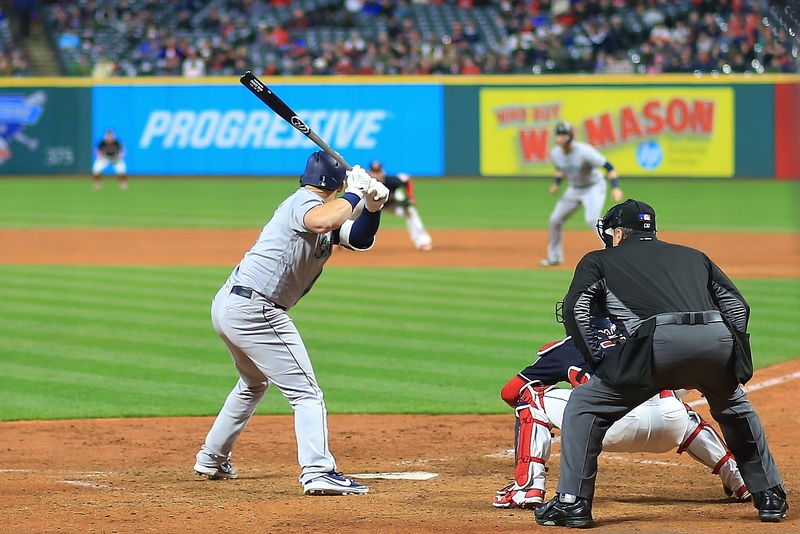
In a significant move this morning, top prospect Kevin McGonigle and the Detroit Tigers finalized an eight-year, $150 million contract extension. This deal spans McGonigle’s ages 27 to 34 seasons, effectively buying out his first three years of free agency, with escalators that could push its total value to $160 million. With McGonigle hitting an impressive .311/.417/.492 in his first 72 MLB plate appearances, the potential for arbitration records looms large, valuing his age 27-29 seasons between $90-100 million.
This extension is part of a broader trend as several young players are signing lucrative contracts right as they begin their MLB careers. Among them are established stars like Diamondbacks shortstop Geraldo Perdomo and Red Sox ace Garrett Crochett, both of whom have recently secured extensions. The Toronto Blue Jays also made headlines last season by signing Alejandro Kirk to a deal that now appears to be a bargain following his breakout performance in 2025, alongside a substantial commitment to Vladimir Guerrero Jr. that will keep him in Toronto for the long haul.
Currently, the Blue Jays lack clear candidates for extensions, with Daulton Varsho being the most notable name. However, Varsho’s inconsistent start to the season, marked by diminished speed and power yet solid contact rates, may lead both the team and his agent to opt for a wait-and-see approach before determining his free agency value.
This surge in player extensions is noteworthy, as it reflects the evolving economics of MLB and the ongoing collective bargaining dynamics between the MLB Players’ Association and team owners. With the current Collective Bargaining Agreement (CBA) set to expire at the end of this season, predictions of a potential lockout loom large. Owners are reportedly frustrated with payroll disparities, highlighted by the New York Mets’ staggering $362.6 million expenditure for 2026 compared to the Cleveland Guardians’ $69.4 million.
Such disparities raise questions about the distribution of the approximately $200 million in national and pooled local revenues that each franchise receives, a topic that often leads to heated discussions among owners. The push for a salary cap is becoming increasingly evident, as owners seek to curb rampant spending despite the ineffectiveness of progressively stricter luxury taxes. Currently, nine teams are incurring luxury tax penalties in 2026, with five hitting the top tax bracket, including the Blue Jays and Mets—teams that were not regular tax payers just five years ago.
As the landscape shifts, the looming threat of a lockout could spell trouble for the 2027 season. The MLB Players’ Association is preparing for a potential standoff, having allocated 100% of player licensing revenues over the last two seasons to build a strike fund now exceeding half a billion dollars. Meanwhile, owners are sitting on a war chest approximately four times larger.
Adding to the complexity is the precarious state of local cable sports markets, which are fundamental to MLB revenue streams. Main Street Sports Group, which manages the FanDuel Sports Network RSNs broadcasting games for nine MLB teams, has struggled to renegotiate rights deals, prompting many teams to shift their rights to MLB.tv. With Commissioner Rob Manfred seeking to revamp the league’s revenue model amid a streaming transition, the future remains uncertain, particularly for teams that prefer to maintain control over regional broadcasts.
As general managers and agents navigate this evolving landscape, the recent wave of extensions indicates a cautious approach. Early career extensions typically favor teams, as players exchange the potential for higher earnings down the line for security in the present. While Scott Boras, known for steering clients toward free agency, often avoids extensions, the current climate suggests a shift toward prioritizing financial safety.
Teams, unlike players, can afford to take risks over the long term, banking on stable revenues as long as fan engagement remains high. However, the Tigers’ willingness to commit to McGonigle for upwards of $30 million in 2034 reflects their expectation that the free-agent market will not significantly decline. Overall, while the outlook for labor negotiations appears somewhat bleak, there is a glimmer of hope for fans eager for a 2027 baseball season. The ongoing discussions highlight the necessity of both parties reaching a mutual understanding, as the consequences of a prolonged impasse could be detrimental to all involved. As the landscape continues to evolve, the hope remains that reasonable positions will emerge, bridging the gap in these choppy waters ahead.
Note: This recap is an independently written summary based on publicly available reporting.