 SEA
SEA  DET
DET  NYR
NYR  WSH
WSH  PIT
PIT  CBJ
CBJ  ANA
ANA  WPG
WPG  HOU
HOU  DAL
DAL  MEM
MEM  CHI
CHI  PHI
PHI  BOS
BOS  VAN
VAN  NJ
NJ  EDM
EDM  SJ
SJ  MIN
MIN  FLA
FLA  UTA
UTA  BUF
BUF  MTL
MTL  NSH
NSH  OTT
OTT  DAL
DAL  CAR
CAR  CHI
CHI  STL
STL  TOR
TOR  COL
COL  TB
TB  NYI
NYI  CGY
CGY  LA
LA  VGK
VGK  LAC
LAC  TOR
TOR  ATL
ATL  IND
IND  DET
DET  WAS
WAS  MIN
MIN  MIA
MIA  PHI
PHI  BOS
BOS  SAC
SAC  GSW
GSW  SAS
SAS  PHX
PHX  PHI
PHI  JAX
JAX  CHI
CHI  GB
GB  HOU
HOU  TEN
TEN  CIN
CIN  MIA
MIA  LV
LV  NE
NE  MIN
MIN  NO
NO  CLE
CLE  NYJ
NYJ  IND
IND  PIT
PIT  NYG
NYG  WAS
WAS  DEN
DEN  LAC
LAC  DET
DET  ARI
ARI  SF
SF  SEA
SEA  BAL
BAL  ATL
ATL  ORL
ORL  CLE
CLE  MIL
MIL  CHA
CHA  DEN
DEN 

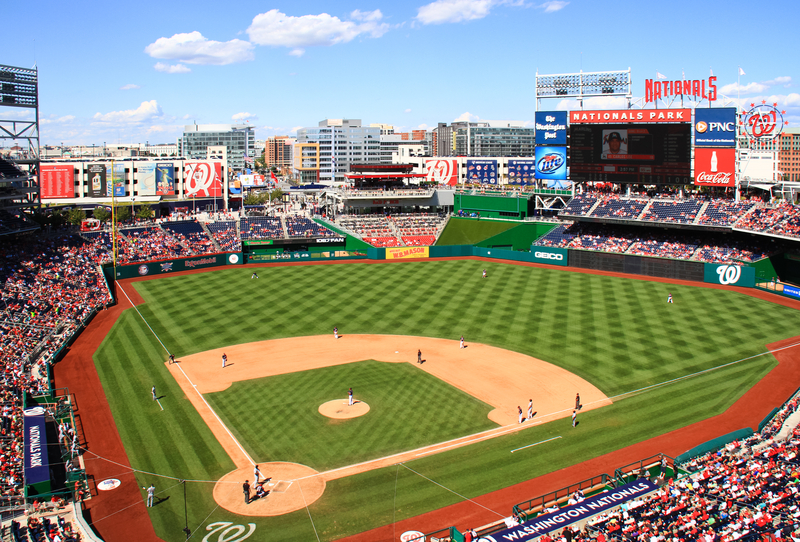
In a commanding display of power and pitching, the Washington Nationals overwhelmed the Cleveland Guardians with a 10-2 victory, fueled by an impressive six home runs. This win not only marked a significant moment for the team, pushing them to just above .500, but it also showcased the emerging strength of their pitching staff, particularly Zack Littell, who delivered a stellar performance on the mound.
Littell, who had struggled earlier in the season, threw seven innings of one-run ball, allowing the Nationals to rest a heavily used bullpen. His transformation has been notable; in May, he has not allowed more than three runs in any start, a sharp contrast to his earlier struggles in April.
The improvements in the Nationals’ rotation are not solely attributable to Littell. As a unit, Nationals starters have posted a 4.21 ERA in May, significantly better than their 5.46 mark from April. In the past 11 days alone, they have excelled further, achieving a 3.15 ERA, ranking 11th in Major League Baseball. While the offense has been the driving force all season, leading the league in runs scored, the starting pitchers are beginning to contribute meaningfully to the team’s success.
While the bullpen’s improvements have not been as pronounced, they are beginning to show signs of life as well. With a 4.59 ERA, the bullpen has improved from a dismal 5.16 in April. This enhancement can be attributed to both the removal of ineffective pitchers and the emergence of others, like Richard Lovelady, who has proven versatile by handling various roles from opening to closing games.
Overall, the Nationals have made significant strides in their pitching metrics, moving from a team ERA of 5.30 and a FIP of 5.22 in April to a more respectable 4.40 ERA and a FIP of 4.06 in May. A key factor in this turnaround has been their improved control of the three true outcomes: they have increased their strikeout rate by 1.8%, reduced their walk rate by 2.1%, and notably decreased their home runs allowed per nine innings from 1.61 to 1.08. This has propelled them from 27th to 14th in K-BB% across the league.
Another crucial element in the Nats’ pitching success has been their ability to limit damage on balls in play. After posting the worst barrel rate in baseball at 11.5% in April, they have managed to reduce that number to 9.6% in May. Although still among the worst in the league, this improvement, coupled with a 4.4% reduction in hard-hit rate, indicates that Nationals pitchers are doing a better job of minimizing damage when hitters make contact.
If the Nationals can maintain their pitching performance at or near the middle of the league, they may very well become a competitive force in the National League this summer. With their offense continuing to thrive and the front office actively seeking to bolster the pitching staff through trades and call-ups, the future looks increasingly promising for Washington.
Note: This recap is an independently written summary based on publicly available reporting.