 PHI
PHI  ATL
ATL  CHW
CHW  HOU
HOU  BOS
BOS  NYY
NYY  CHC
CHC  SD
SD 
 FLA
FLA  CAR
CAR  MTL
MTL  TOR
TOR  NYR
NYR  BOS
BOS  VAN
VAN  EDM
EDM  CHI
CHI  VGK
VGK  PIT
PIT  PHI
PHI  NYI
NYI  LA
LA  COL
COL  BUF
BUF  CBJ
CBJ  NJ
NJ  TB
TB  MIN
MIN  NSH
NSH  SEA
SEA  CGY
CGY  UTA
UTA  SJ
SJ  PIT
PIT  CLE
CLE 

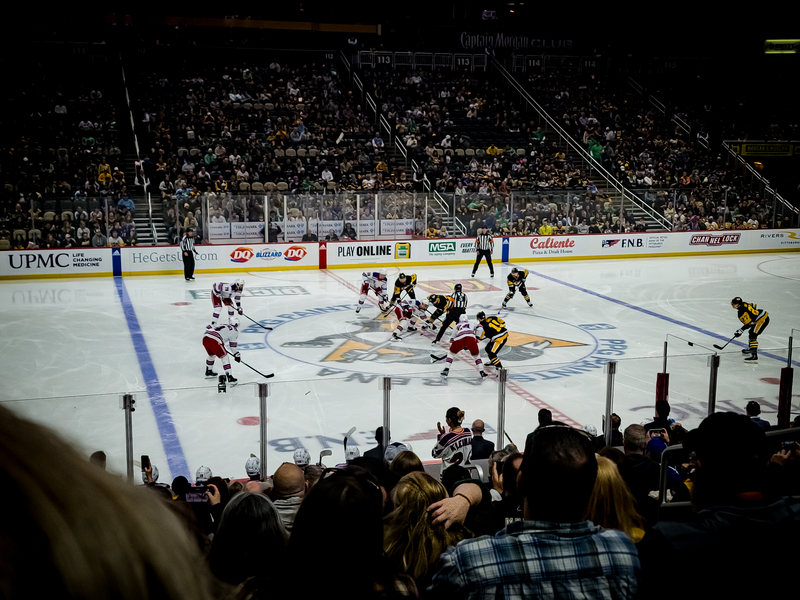
As the anticipation builds for Monday’s first-round, Game 2 showdown between the Pittsburgh Penguins and Philadelphia Flyers, NHL Commissioner Gary Bettman took center stage in a press conference, addressing various pressing topics. Among the discussions were the Penguins’ ownership sale and the prospect of a premier NHL event making its way to Pittsburgh. However, the primary focus of Bettman’s remarks centered around the contentious issue of goaltender interference.
Recent analysis from Shayna Goldman of The Athletic revealed that the success rate for coach’s challenges concerning goaltender interference this season sits at a mere 35.2 percent, marking the lowest figure since the 2018-19 season. This statistic also represents a significant decline from last year’s 55.4 percent success rate, highlighting the growing frustration among teams, coaches, and general managers regarding the application of the rule.
Despite these challenges, Bettman expressed confidence in the current system, asserting that the NHL is getting it right more often than not. “You know, when it was first instituted, we had warned the coaches and managers that this isn’t going to be crystal-clear in every situation,” he acknowledged. He emphasized the importance of video replay in improving the accuracy of calls, noting that while some situations may still spark debate, the overall process has advanced significantly.
“I think Colin Campbell and his team have done a great job with more and more cameras in the net,” Bettman continued. “We’re going to get it right overwhelmingly. And we’ll get a few calls where people will debate them.” He underlined the necessity for coaches to approach challenges judiciously, only contesting calls that are indisputably incorrect. This principle was a key topic during meetings with NHL general managers last summer.
Bettman pointed out that the crux of the issue often lies in the emotional responses that arise during games. “I think the issue comes when people hope that a goal will either be confirmed or overturned,” he said. He reiterated that challenges should only be made when the original call is clearly erroneous, cautioning against strategic challenges based on hope rather than concrete evidence.
When pressed about any potential shifts in the interpretation of the goaltender interference rule, Bettman remained firm. “In the final analysis, overwhelmingly, they get it right,” he asserted. He elaborated on the subjective nature of goaltender interference compared to more straightforward calls like offsides, which tend to be more definitive. “Goaltender interference is, again, a judgment call, which is why you go with the call on the ice unless it’s conclusively wrong.”
Note: This recap is an independently written summary based on publicly available reporting.