 PHI
PHI  NYM
NYM  KC
KC  PIT
PIT  CHC
CHC  CIN
CIN  OAK
OAK  CLE
CLE  BOS
BOS  TB
TB  DET
DET  CHW
CHW  ATL
ATL  HOU
HOU  WSH
WSH  STL
STL  TOR
TOR  TEX
TEX  SEA
SEA  COL
COL  MIN
MIN  LAA
LAA  NYY
NYY  ARI
ARI  SF
SF  LAD
LAD  MIA
MIA  SD
SD  MIL
MIL  BAL
BAL 
 NYI
NYI  NJ
NJ  SJ
SJ  ANA
ANA  WSH
WSH  BOS
BOS  NSH
NSH  TB
TB  UTA
UTA  COL
COL  CAR
CAR  FLA
FLA  SEA
SEA  CGY
CGY  CAR
CAR  ATL
ATL  MIN
MIN  CHI
CHI  PHI
PHI  TEN
TEN  PIT
PIT  NE
NE  GB
GB  NYJ
NYJ  CLE
CLE  TB
TB  NO
NO  BAL
BAL  CIN
CIN  HOU
HOU  JAX
JAX  DEN
DEN  LV
LV  LAC
LAC  WAS
WAS  DAL
DAL  SEA
SEA  ARI
ARI  MIA
MIA  SF
SF  IND
IND  KC
KC  PHI
PHI  DET
DET  CBJ
CBJ  BUF
BUF  PIT
PIT  NYR
NYR  OTT
OTT  MTL
MTL  WPG
WPG  MIN
MIN  CHI
CHI  STL
STL  DAL
DAL  NYG
NYG  LA
LA 

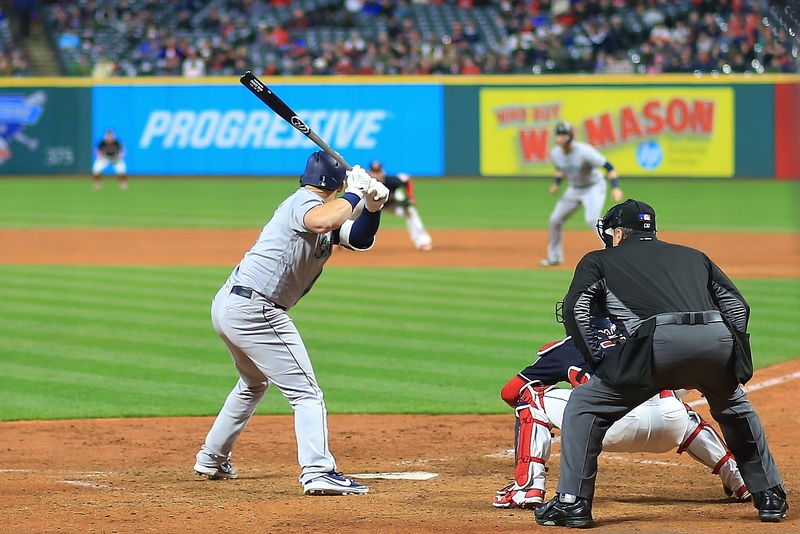
The World Baseball Classic (WBC) presents a unique challenge for teams: crafting a legacy within a mere two-week span. This fast-paced tournament format, which diverges from the traditional rhythm of baseball, has seen five championship teams rise to the occasion, showcasing their talents and overcoming formidable competition to claim the trophy.
Over the past two decades, the WBC has evolved alongside the sport itself, making the task of ranking its champions a complex endeavor. Each tournament has ushered in distinct eras, but certain squads have managed to shine brighter than the rest. As anticipation builds for the 2026 edition set to kick off on March 5, we take a look back at the five previous champions.
2006: Japan
Record: 5-3, Run Differential: +39. Japan’s journey began with pool play where they recorded a 2-1 record, narrowly losing to Korea but decisively beating China and Chinese Taipei. They advanced through the second round on a tiebreaker and made a statement in the semifinals, shutting out Korea 6-0. The final saw them edge Cuba 10-6, with Daisuke Matsuzaka earning accolades for his performance, winning all three of his starts and striking out 10 over 13 innings. Ichiro Suzuki also shone, amassing 12 hits and a .964 OPS. Despite being the only WBC champions with three losses, their impact was significant, paving the way for future Japanese talent in the MLB.
2009: Dominican Republic
Record: 8-0, Run Differential: +22. The Dominican Republic made history as the only unbeaten champions in WBC history, dominating their pool play and the knockout rounds. Robinson Cano led the charge with 15 hits and a remarkable 1.296 OPS, supported by contributions from Nelson Cruz and Hanley Ramirez. Sam Deduno emerged as an unlikely ace, allowing just one earned run in 13 innings. In the final, the Dominican team defeated Puerto Rico 3-0, with a stellar bullpen performance securing their victory. However, the absence of a standout ace in their rotation slightly tempers their legacy.
2013: USA
Record: 6-2, Run Differential: +20. The USA team showcased depth rather than individual stardom, with key players like Brandon Crawford and Eric Hosmer stepping up. Marcus Stroman was pivotal on the mound, delivering a standout performance in the championship against Puerto Rico, where he pitched six innings of one-hit ball. The USA’s ability to defeat all the Latin American powers, coupled with a thrilling quarterfinal victory over the Dominican Republic, solidified their place in WBC history.
2017: USA
Record: 7-2, Run Differential: +34. The USA returned to the forefront with a balanced roster that included both established stars and emerging talents. Their path to victory included a memorable semifinal against Venezuela and a hard-fought final against Korea. The team’s success was underscored by a strong pitching performance from Stroman, who again delivered in crucial moments, while the lineup featured a blend of power and speed. Their victory marked a significant moment for baseball in the United States.
2023: Japan
Record: 7-0, Run Differential: +38. Led by the extraordinary Shohei Ohtani, Japan asserted its dominance in the latest WBC. Ohtani’s dual-threat capabilities were on full display as he contributed both offensively and on the mound, leading the team with a staggering 1.345 OPS and a 1.86 ERA. The final against the USA culminated in a dramatic showdown, with Ohtani’s strikeout of Mike Trout serving as the tournament’s defining moment. Japan’s depth and talent, highlighted by young stars like Munetaka Murakami, have set a new standard for excellence in the WBC.
Note: This recap is an independently written summary based on publicly available reporting.