 BUF
BUF  TOR
TOR  NYI
NYI  OTT
OTT  SEA
SEA  TB
TB  VAN
VAN  FLA
FLA  NYR
NYR  NJ
NJ  PHI
PHI  DET
DET  WPG
WPG  CHI
CHI  SJ
SJ  NSH
NSH  STL
STL  MIN
MIN  UTA
UTA  EDM
EDM  CGY
CGY  VGK
VGK  SEA
SEA  DEN
DEN  TOR
TOR  NYK
NYK  OKC
OKC  HOU
HOU  PIT
PIT  COL
COL  BOS
BOS  ANA
ANA  MIA
MIA  ORL
ORL  BOS
BOS  PHI
PHI  DET
DET  MIL
MIL  IND
IND  ATL
ATL  DAL
DAL  SAC
SAC  SAS
SAS  CHA
CHA  MEM
MEM  WAS
WAS  NOP
NOP  MIN
MIN  CHI
CHI  POR
POR  GSW
GSW  UTA
UTA  PHX
PHX  DEN
DEN  LAL
LAL 

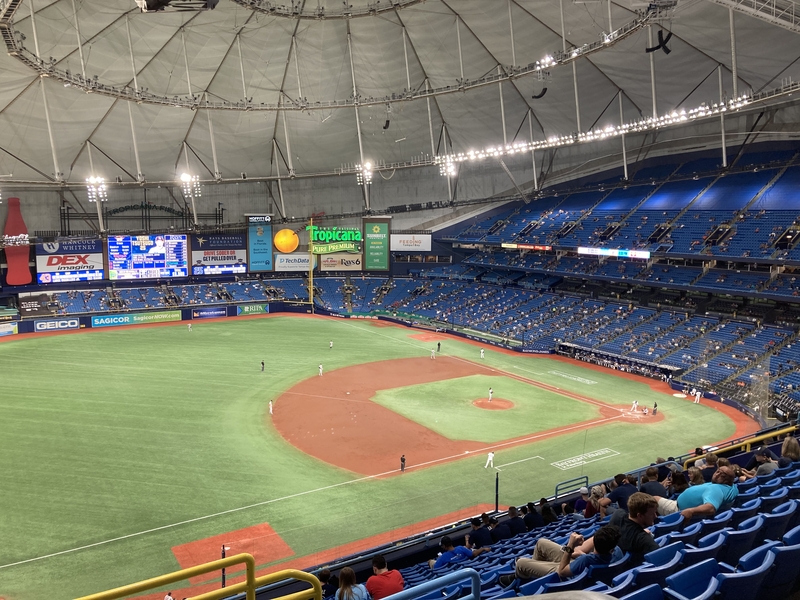
The Tampa Bay Rays entered the 2026 MLB Draft with a golden opportunity and seized it with remarkable skill. Leading the charge was Grady Emerson, selected second overall, in a draft class notable for its heavy emphasis on high school talent. The Rays set a franchise record by drafting seven high school players within the first ten rounds, signaling a strategic shift that began with last year’s selections. This bold move reflects the organization’s growing confidence in its player development system and a willingness to invest premium picks in young, unproven talent.
The impact of the Rays’ first five selections is poised to resonate across the organization. Emerson and fellow draftee Marchand enhance an already athletic roster of middle infielders, introducing two high-upside players capable of anchoring the left side of the infield. Emerson is projected to quickly rise as one of the top prospects in the system, likely earning a spot among the consensus top 25 prospects. Marchand, with his unique combination of hitting and power potential, adds depth to the top of the lineup.
On the pitching front, the selections of Ben Blair and Gavin Giese bolster a farm system that has leaned heavily toward position players. Blair, taken at No. 49, represents a shift from the Rays’ recent drafting trends, showcasing an advanced college starter with a deceptive delivery and strong spin capabilities. Giese, a projectable high school arm, adds another layer of depth with his promising offspeed profile, reflecting the Rays’ successful history of developing pitchers.
Collin Bland rounds out the group, addressing a gap in the system for middle-of-the-order power. With his raw power potential, Bland could evolve into a significant offensive threat, despite the inherent risks associated with his hitting tool.
Day One of the draft underscored the hallmark of the Rays’ farm system: exceptional depth. Instead of focusing on a single demographic, Tampa Bay enriched its roster with premium athletes, two intriguing pitching prospects, and one of the most promising power bats from the prep ranks. This balanced approach enhances the system’s overall upside while maintaining the organizational depth that has long been a hallmark of the franchise.
As the draft progressed into Day Two, the Rays continued to showcase their strategic vision by targeting pitchers with flatter approach angles, lower arm slots, and above-average spin rates. This group included Owen Kramkowski, Tate McKee, and others who fit the mold, demonstrating a clear preference for pitchers capable of creating deception with their deliveries. Blair, despite being a Day One selection, belongs in this category, emphasizing the Rays’ focus on developing pitchers with unique skill sets.
The Rays also selected a second group of athletic arms, including Kyle Johnson and AJ Rice, who bring lower workloads and advanced feel for offspeed pitches. This approach highlights a preference for pitchers with developmental potential rather than finished products, as seen with Giese from Day One.
Tai Jones, the only position player chosen on Day Two, is an impressive 6’2” outfielder with strong athleticism and a smooth swing. His plus arm and speed make him a versatile asset in the outfield, and as he refines his approach, he could develop into a significant power-speed threat. Jones’ connection to Jackson Academy, where current Rays first base coach Corey Dickerson once coached, adds an intriguing layer to his selection.
Overall, this draft class signifies a notable evolution in the Rays’ drafting philosophy. By heavily investing in prep talent and diversifying their pitching targets, Tampa Bay has positioned itself for future success while maintaining the depth that has become synonymous with its farm system. This year’s draft reflects a broader vision, identifying varied developmental pathways and filling them with promising prospects.
Note: This recap is an independently written summary based on publicly available reporting.