 PHI
PHI  NYM
NYM  KC
KC  PIT
PIT  CHC
CHC  CIN
CIN  OAK
OAK  CLE
CLE  BOS
BOS  TB
TB  DET
DET  CHW
CHW  ATL
ATL  HOU
HOU  WSH
WSH  STL
STL  TOR
TOR  TEX
TEX  SEA
SEA  COL
COL  MIN
MIN  LAA
LAA  NYY
NYY  ARI
ARI  SF
SF  LAD
LAD  MIA
MIA  SD
SD  MIL
MIL  BAL
BAL 
 NYI
NYI  NJ
NJ  SJ
SJ  ANA
ANA  WSH
WSH  BOS
BOS  NSH
NSH  TB
TB  UTA
UTA  COL
COL  CAR
CAR  FLA
FLA  SEA
SEA  CGY
CGY  CAR
CAR  ATL
ATL  MIN
MIN  CHI
CHI  PHI
PHI  TEN
TEN  PIT
PIT  NE
NE  GB
GB  NYJ
NYJ  CLE
CLE  TB
TB  NO
NO  BAL
BAL  CIN
CIN  HOU
HOU  JAX
JAX  DEN
DEN  LV
LV  LAC
LAC  WAS
WAS  DAL
DAL  SEA
SEA  ARI
ARI  MIA
MIA  SF
SF  IND
IND  KC
KC  PHI
PHI  DET
DET  CBJ
CBJ  BUF
BUF  PIT
PIT  NYR
NYR  OTT
OTT  MTL
MTL  WPG
WPG  MIN
MIN  CHI
CHI  STL
STL  DAL
DAL  NYG
NYG  LA
LA 

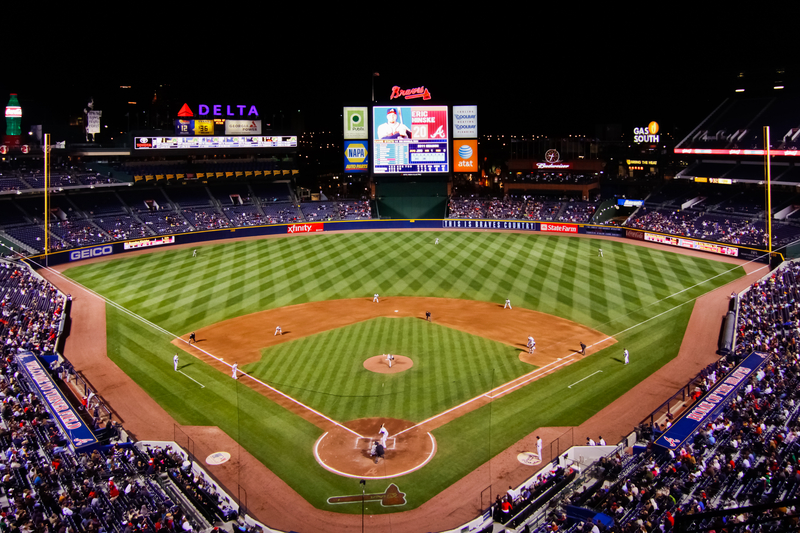
Media mogul, philanthropist, and former owner of the Atlanta Braves, Ted Turner, passed away today at the age of 87, leaving behind a legacy that reshaped the media landscape and transformed the world of sports.
Turner, a charismatic and ambitious entrepreneur, took over his father’s advertising company in 1963 and quickly began acquiring radio and television stations, including Atlanta’s WJRJ (channel 17). By renaming it WTCG, he positioned himself at the forefront of the emerging satellite and cable television markets, expanding his reach nationwide by the late 1970s.
In 1976, driven by a desire for content and profitability, Turner purchased the Atlanta Braves, followed by the Atlanta Hawks a year later. This move was pivotal; both franchises became integral to the success of WTBS, which helped drive ratings and advertising revenue as Turner broadcast his teams’ games across the country. Despite the Braves struggling on the field during his early years of ownership, with multiple 90-loss seasons, Turner’s larger-than-life persona and branding of the team as “America’s Team” helped cultivate a national fanbase.
Turner’s hands-on approach often led to controversy. Notably, during a 16-game losing streak in May 1977, he named himself interim manager for a single game, a decision that was quickly overturned by the league. His playful yet bold decisions, like having pitcher Andy Messersmith wear “Channel” on his jersey instead of his name, showcased his unique approach to marketing and entertainment.
In 1978, Turner hired Bobby Cox as manager, marking the beginning of a significant relationship in franchise history. After a brief stint with Joe Torre, who led the Braves to the playoffs in 1982, Cox returned in 1990 to manage the team. Under his leadership, and with the strategic vision of general manager John Schuerholz, the Braves transitioned from a struggling franchise to a National League powerhouse, culminating in a World Series championship in 1995.
While Turner often described his operational tenure as a “disaster,” his unwavering support and financial backing were crucial in transforming the Braves from a laughingstock to a competitive team. His influence extended beyond baseball; he built one of the most significant media empires in history, including CNN, TBS, TNT, and Turner Classic Movies. CNN, launched in 1980, was groundbreaking as the first 24-hour news network.
Turner’s media empire reached new heights when Turner Broadcasting merged with Time Warner in 1996. Although his influence waned following the AOL merger in 2001, he remained a larger-than-life figure in both media and sports. His philanthropic efforts were equally notable, founding organizations like the United Nations Foundation and the Nuclear Threat Initiative, and creating the Goodwill Games as an alternative to the Olympics.
Beyond his media and sports achievements, Turner was also a competitive sailor, winning the America’s Cup in 1977. His impact on professional wrestling was significant as well, with the purchase and rebranding of Jim Crockett Promotions into World Championship Wrestling, which played a crucial role in the 1990s wrestling boom.
Turner’s legacy in Atlanta sports is profound; he helped establish the Braves as a national brand and fostered a generation of fans. Although he sold the franchise in 2007, his influence is still felt today, particularly through Turner Field, the team’s former home. Inducted into the Braves Hall of Fame in 2000, Turner’s contributions to the franchise and the media landscape will be remembered for years to come.
Note: This recap is an independently written summary based on publicly available reporting.