 CBJ
CBJ  MIN
MIN  CAR
CAR  CGY
CGY  HOU
HOU  JAX
JAX  CHI
CHI  ATL
ATL  BAL
BAL  CLE
CLE  TEN
TEN  IND
IND  NYJ
NYJ  NE
NE  NO
NO  NYG
NYG  CAR
CAR  PHI
PHI  PIT
PIT  TB
TB  ARI
ARI  LA
LA  LAC
LAC  KC
KC  BUF
BUF  LV
LV  DAL
DAL  GB
GB  ANA
ANA  NYR
NYR  COL
COL  PHI
PHI  SJ
SJ  TOR
TOR  PIT
PIT  UTA
UTA  WAS
WAS  SF
SF  MTL
MTL  NJ
NJ  NYI
NYI  LA
LA  WSH
WSH  WPG
WPG  STL
STL  BOS
BOS  DAL
DAL  EDM
EDM  DET
DET  SEA
SEA  VAN
VAN  TB
TB  VGK
VGK  BOS
BOS  DET
DET  PHI
PHI  NYK
NYK  OKC
OKC  SAS
SAS 

As the 2026 MLB season hits its 100-game milestone, it’s a fitting time to reflect on a pivotal moment in Twins history from a century ago. On July 19, 1926, the Washington Senators, who would later become the Minnesota Twins in 1961, faced off against the Cleveland Indians at Griffith Stadium. The starting pitcher for the Senators that day was Firpo Marberry, a notable figure as he led the American League in saves with 22 that season.
From the outset, the game was a challenge for Washington. In the first inning, Cleveland’s George Burns capitalized on an error by Senators third baseman Ossie Bluege, allowing Freddy Spurgeon to score. The Indians nearly extended their lead with a potential sacrifice fly, but the Senators’ “Talk To Me” Goose Goslin made a remarkable throw to cut down the legendary Tris Speaker at home plate, preserving the narrow deficit.
After a rough start, Marberry settled into a rhythm, shutting down the Indians and keeping the score tight. It wasn’t until the sixth inning that the Senators found their offensive spark. Following a double from Sam Rice, Goslin tied the game with a sacrifice fly, bringing home Rice and evening the score at 1-1.
The floodgates opened for the Senators in the later innings, as they strung together four consecutive singles. Contributions from Muddy Ruel and even Marberry himself helped them surge ahead, ultimately leading to a 4-1 lead over Cleveland.
Despite a late-game threat from the Indians in the eighth inning when Glenn Myatt tripled, Marberry and the Senators held firm. Bluege redeemed himself by throwing out Myatt at home plate on a failed contact play, sealing the victory for Washington. The final score read: Washington Senators 4, Cleveland Indians 1. Marberry’s impressive line for the game was 9 innings pitched, allowing only 3 hits and 1 unearned run, with 5 walks and 2 strikeouts.
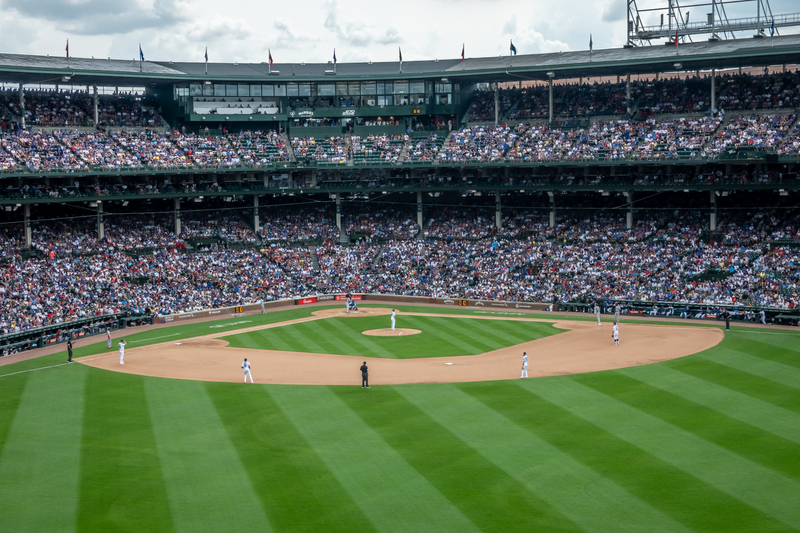
As we look back at the 1926 Senators, it’s worth noting that after back-to-back World Series appearances in 1924 and 1925, the team fell to a disappointing 81-69-2 record, finishing fourth in the American League that year. While the attendance for that July 1926 game remains unrecorded, it’s safe to say today’s crowd at Wrigley Field will exceed it, though matching the game length of just 1 hour and 51 minutes will be a challenge.
Note: This recap is an independently written summary based on publicly available reporting.