 NYR
NYR  DET
DET  WSH
WSH  CAR
CAR  BOS
BOS  WPG
WPG  STL
STL  DAL
DAL  ANA
ANA  VGK
VGK  CHW
CHW  CLE
CLE  ATL
ATL  LAD
LAD  NYY
NYY  TB
TB  SD
SD  MIL
MIL  CHI
CHI  BUF
BUF  MTL
MTL  PIT
PIT  TB
TB  OTT
OTT  TOR
TOR  PHI
PHI  UTA
UTA  CBJ
CBJ  SEA
SEA  EDM
EDM  NJ
NJ  NYI
NYI  MIN
MIN  NSH
NSH  COL
COL  CGY
CGY  VAN
VAN  LA
LA  SJ
SJ  MIA
MIA  TOR
TOR  FLA
FLA  IND
IND  WAS
WAS  NE
NE  BUF
BUF  NYJ
NYJ  CHI
CHI  JAX
JAX  CIN
CIN  ARI
ARI  NYG
NYG  LA
LA  PHI
PHI  GB
GB  TB
TB  TEN
TEN  BAL
BAL  DAL
DAL  HOU
HOU  MIA
MIA  MIN
MIN  KC
KC  LV
LV  DEN
DEN  SF
SF  LAC
LAC  SEA
SEA  DET
DET  CAR
CAR  UTA
UTA  DEN
DEN  GSW
GSW  LAC
LAC 

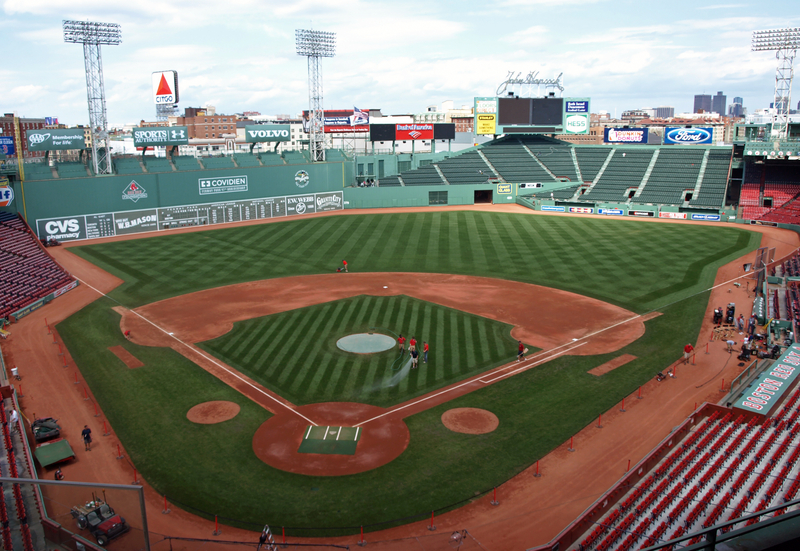
The trade deadline is approaching, and the Boston Red Sox find themselves in a familiar position: weighing options for a roster tear down in what has become a disappointing season. This week’s focal point is pitcher Sonny Gray, whose situation is more complex than last week’s discussion surrounding Aroldis Chapman due to his no-trade clause.
Gray has emerged as one of the few bright spots on the Red Sox roster this season, boasting an impressive 2.69 ERA and 75 strikeouts over 83.2 innings. His record stands at 9-1, a remarkable feat considering the lack of support he has received from a struggling team. At 36, Gray has become not just a valuable asset but a legitimate contender for the American League Cy Young award, drawing interest from teams like the Braves, Cubs, and Brewers.
The complication, however, lies in Gray’s no-trade clause. When he joined the Red Sox, he restructured his contract, allowing the Cardinals to cover $20 million of his $31 million salary. This means that any team acquiring Gray would only be responsible for the prorated remainder of his contract plus a $10 million buyout on a mutual option, making the financial aspect manageable. Yet, Gray retains the final say on where he goes, expressing a willingness to engage in discussions if the team indicates a desire to trade him.
However, being “open for a conversation” does not equate to an automatic agreement. The Red Sox cannot simply send him to the highest bidder; they must consider the limited options that Gray would approve. This presents a unique leverage situation for general manager Craig Breslow, as the teams that Gray would accept a trade to are often serious contenders with strong farm systems, ensuring that the Red Sox could demand a fair return.
Adding to the complexity, the recent injury to Connelly Early has left the rotation even thinner, which might make Breslow hesitant to trade Gray. However, in a season where the team is not contending, retaining a player for depth may not outweigh the potential to acquire top prospects. The trade deadline philosophy remains clear: a struggling team should capitalize on valuable assets.
Breslow faces a critical decision regarding how much salary relief the Red Sox are willing to provide in any potential trade. If Boston is willing to absorb a significant portion of Gray’s salary, the acquiring team would benefit from reduced costs, allowing the Red Sox to seek a top prospect in return. Conversely, if the full salary accompanies Gray, the return would likely consist of a current Major League player or a bullpen arm rather than a highly coveted prospect.
Among the potential suitors, the Atlanta Braves stand out as the most logical fit. With a battered rotation, they are in need of a reliable arm, and Gray fits the bill perfectly. Being from Nashville, Gray might also find the prospect of playing for a nearby contender appealing, which could facilitate a trade.
If the Braves pursue Gray, they could offer promising prospects like Murphy, who has shown significant potential despite recent injuries. If they opt for a less direct approach, players like Southisene could also be on the table. Should the full salary accompany Gray, a return might include players like Dodd or Lee, both of whom could contribute to a bullpen that has struggled this season.
The Chicago Cubs are also in the mix, desperate for starting pitching after a slew of injuries has decimated their rotation. Gray’s experience and reliability would make him a valuable addition to their roster. There are even whispers of a possible double deal involving both Gray and Chapman, which could be an intriguing negotiation for Breslow.
If a trade with Chicago unfolds, Wiggins stands out as a top prospect worth pursuing. However, if the Cubs are only willing to take on Gray’s full salary, players like Maton or Hodge could provide immediate help to the Red Sox bullpen.
Milwaukee presents another compelling option, thanks to a robust farm system and a need for pitching. They tend to be conservative at the deadline but possess enough depth to make a significant trade without compromising their future. Williams and Letson are intriguing prospects, and if Breslow can negotiate effectively, he might secure a favorable deal.
Surprisingly, the White Sox, who have struggled for years, are currently leading the AL Central, changing the dynamic of any potential trade talks. If they remain competitive, they will be eager to acquire a pitcher like Gray, who could help solidify their rotation in a pennant race.
Lastly, the San Francisco Giants could be a wildcard in this conversation. While Gray may not have a personal connection with the new manager, the prospect of pitching in Oracle Park and being part of a respected organization might appeal to him. The connection to Gavin Kilen, a former Red Sox draft pick, could also play a role in negotiations.
Note: This recap is an independently written summary based on publicly available reporting.