 PHI
PHI  BUF
BUF  FLA
FLA  OTT
OTT  ATL
ATL  ORL
ORL  MIL
MIL  WAS
WAS  MIN
MIN  MIA
MIA  CHA
CHA  BKN
BKN  CHI
CHI  TOR
TOR  UTA
UTA  MEM
MEM  IND
IND  NOP
NOP  DAL
DAL  HOU
HOU  GSW
GSW  LAL
LAL  PHX
PHX  POR
POR  SAC
SAC  LAC
LAC  NSH
NSH  BOS
BOS  NYR
NYR  TOR
TOR  SJ
SJ  ANA
ANA  NJ
NJ  PIT
PIT  LA
LA  NYI
NYI  VGK
VGK  STL
STL  WPG
WPG  DAL
DAL  MIN
MIN  CGY
CGY  CAR
CAR  EDM
EDM  UTA
UTA  SEA
SEA  DET
DET  VAN
VAN  NE
NE  CHI
CHI  CLE
CLE  PHI
PHI  DEN
DEN  OKC
OKC 

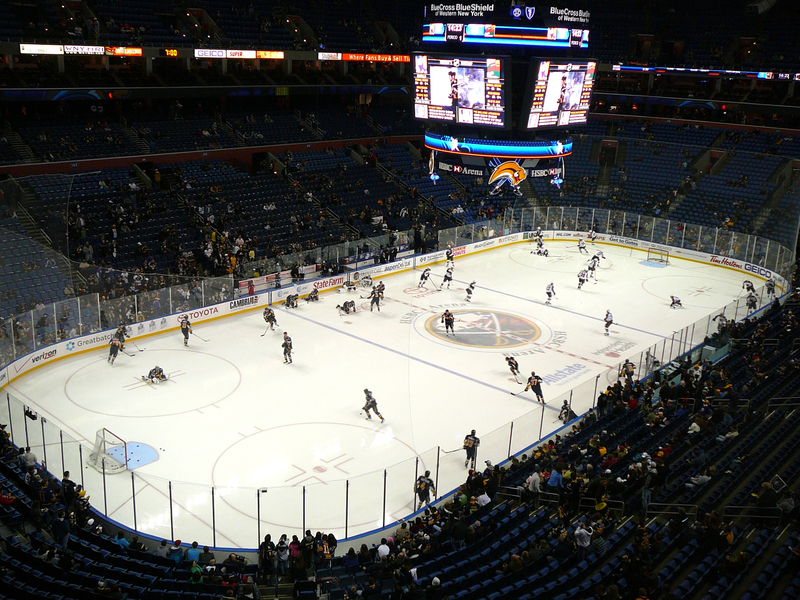
The Buffalo Sabres faced a rocky start to the 2025-26 regular season, managing just 5 wins against 8 losses and 4 overtime losses. This disappointing beginning led to the dismissal of Sabres GM Kevyn Adams. However, the team quickly turned things around, finishing the season with an impressive record of 45-15-5, ultimately emerging as the best team in the competitive Atlantic Division.
In the playoffs, the Sabres defeated the Boston Bruins in the first round but were eliminated in a hard-fought seven-game series against the Montreal Canadiens in the second round. The season’s ups and downs have resulted in a generally positive outlook for player and coach evaluations, as reflected in TheHockeyNews.com’s grading process. Today, we focus on head coach Lindy Ruff, who faced the prospect of being fired had the Sabres not rebounded early in the season.
Coaching Performance and Grade
Positioned at the helm, Ruff received a well-deserved grade of A-. The pressure was palpable for the seasoned coach, who at 66 years old, was under scrutiny to deliver results. With the Sabres struggling initially, Ruff was teetering on the brink of dismissal by new GM Jarmo Kekalainen. Yet, a remarkable turnaround saw the team win 13 of their next 14 games, showcasing Ruff’s ability to connect with and motivate his players.
His performance did not go unnoticed, as he was nominated for the Jack Adams Award, recognizing him as one of the NHL’s top coaches for the season—marking the fifth time in his career he has received such an honor. Although he won the award in 2005-06, his ability to remain relevant in the coaching landscape for over two decades speaks volumes about his lasting impact on the game.
Areas for Improvement
While Ruff’s turnaround was commendable, a couple of factors prevented him from receiving an A or an A+. The Sabres’ dismal start to the season certainly weighs against him, even if he did manage to orchestrate a turnaround. Additionally, the team’s power play efficiency was a concern, ranking 21st in the league at just 19.5%. A perfect season is difficult to achieve, and these issues reflect the complexity of the coaching role.
As a Buffalo icon, Ruff’s presence is vital to the reenergized Sabres organization. His recent two-year contract extension from Kekalainen reflects the faith the management has in his abilities. Nevertheless, the nature of coaching in the NHL is precarious; a single step back could jeopardize his position. The pressure to maintain last season’s success will continue to loom over Ruff as he prepares for the upcoming season.
The Coaching Landscape
In today’s fast-paced hockey environment, coaches find their roles increasingly transient. A string of victories can lead to accolades, while a losing streak can spark rumors of imminent replacement. This relentless cycle can weigh heavily on coaches, making it understandable for Ruff to feel the strain of job security.
As he navigates this unpredictable landscape, Ruff must savor the moment, particularly after a season of significant achievement. However, the looming presence of Father Time and the reality of potential decline mean he must be ready for change. For now, though, his efforts last season warrant the A- grade he has received.
Note: This recap is an independently written summary based on publicly available reporting.