 COL
COL  DET
DET  NYM
NYM  NYY
NYY  PIT
PIT  CHC
CHC  BAL
BAL  TOR
TOR  SD
SD  SF
SF  LAA
LAA  WSH
WSH  KC
KC  BOS
BOS  LAD
LAD  MIA
MIA  CLE
CLE  MIN
MIN  HOU
HOU  TB
TB  CIN
CIN  MIL
MIL  PHI
PHI  ATL
ATL  CHW
CHW  STL
STL  TEX
TEX  ARI
ARI  SEA
SEA  OAK
OAK 
 TB
TB  CIN
CIN  NO
NO  DET
DET  NYJ
NYJ  TEN
TEN  BAL
BAL  IND
IND  ATL
ATL  PIT
PIT  CHI
CHI  CAR
CAR  CLE
CLE  JAX
JAX  BUF
BUF  HOU
HOU  MIA
MIA  LV
LV  GB
GB  MIN
MIN  WAS
WAS  PHI
PHI  ARI
ARI  LAC
LAC  DAL
DAL  NYG
NYG  DEN
DEN  KC
KC 

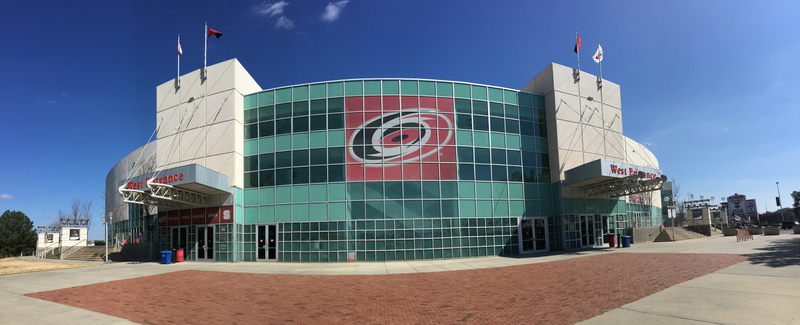
The Carolina Hurricanes’ recent triumph in the Stanley Cup has sparked conversations about what it truly takes to win in the NHL. Amidst the celebrations, with hugs, champagne showers, and Rod Brind’Amour hoisting the coveted trophy, one stark realization emerged: Carolina achieved this monumental feat without the individual star power that typically dominates discussions in the league.
Unlike the Edmonton Oilers, who boast generational talents like Connor McDavid and Leon Draisaitl, the Hurricanes did not rely on a single superstar to carry them through the playoffs. Instead, their success stemmed from a cohesive team effort, showcasing that depth and collaboration can often outweigh individual brilliance.
In Edmonton, fans are fortunate to witness the magic of McDavid and Draisaitl on a nightly basis. However, the weight of expectations placed on these players can sometimes feel overwhelming, as if they are expected to single-handedly rectify every flaw within the lineup. This notion is not only unrealistic but also contrary to the essence of winning the Stanley Cup.
Carolina’s roster features talented players, including the underrated Sebastian Aho and the emerging Seth Jarvis, complemented by a strong defensive core led by Jaccob Slavin. Their goaltender, Frederik Andersen, provided crucial performances when it mattered most. Yet, despite their skill, the Hurricanes’ victory was not a result of any one player’s heroics. Instead, it was a testament to a collective effort where every line contributed, every defenseman played a role, and even the fourth line made an impact.
This reality raises important questions for the Oilers. In recent seasons, a narrative has developed in Edmonton that places an undue burden on McDavid and Draisaitl to fix every issue the team faces. Whether the power play falters, goaltending struggles, or the third line goes quiet, the expectation is often that these two superstars will find a way to overcome all obstacles.
While McDavid and Draisaitl are extraordinary talents, they are not miracle workers. Historical greats like Wayne Gretzky had support from teammates like Mark Messier and Paul Coffey, while Sidney Crosby thrived with Evgeni Malkin and Kris Letang by his side. The lesson from Carolina’s victory is clear: success in the NHL is rarely achieved by one player alone.
The Oilers are fortunate to have McDavid and Draisaitl, but the real challenge lies in building a roster that alleviates some of the pressure on them. Edmonton needs to discover its own versions of players like Jarvis, Martinook, or Slavin—those who may not grab headlines but are essential in transforming a good team into a great one.
Carolina’s Stanley Cup journey was fueled not just by star power, but by depth, structure, and a clear understanding of roles. For Oilers fans, this is a comforting thought: the team does not need McDavid and Draisaitl to carry them alone. Instead, they require a roster that allows these superstars to thrive without the weight of the world on their shoulders, where their contributions feel like a bonus rather than a necessity.
As the Hurricanes demonstrated, Stanley Cups can be won by teams that ask less from their stars, relying instead on a united front. This is the vital lesson for Edmonton as they look to build a championship-caliber team.
Note: This recap is an independently written summary based on publicly available reporting.